NAMIBIA
Namibia: The Trip That Changed the Direction of My Life
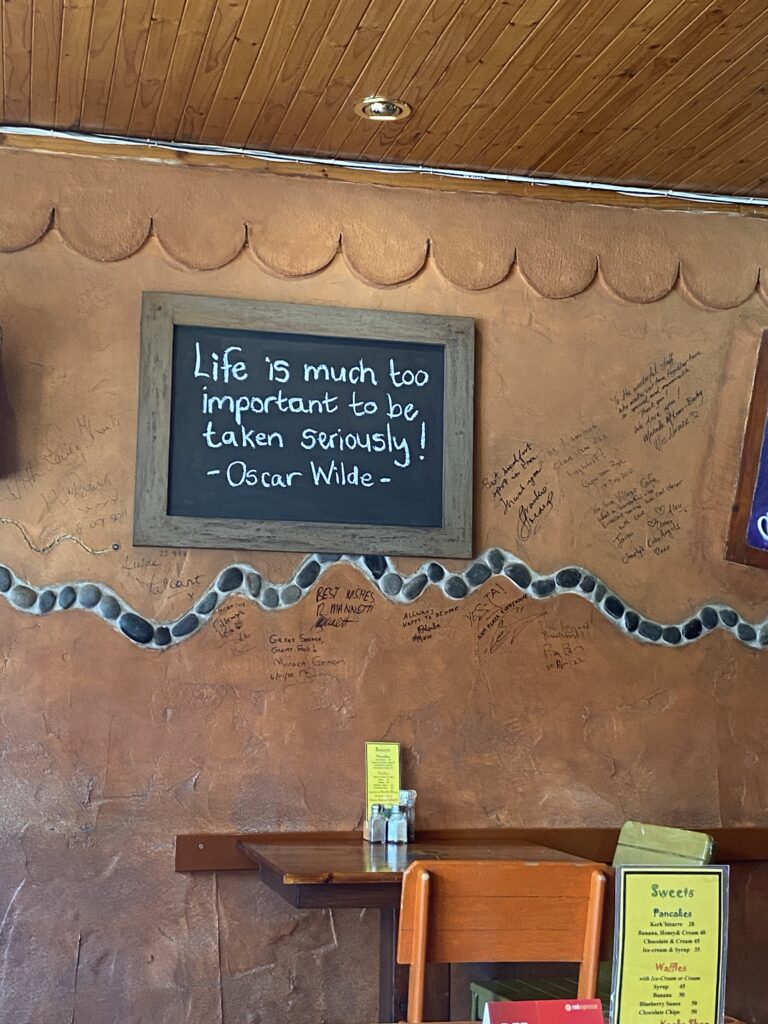
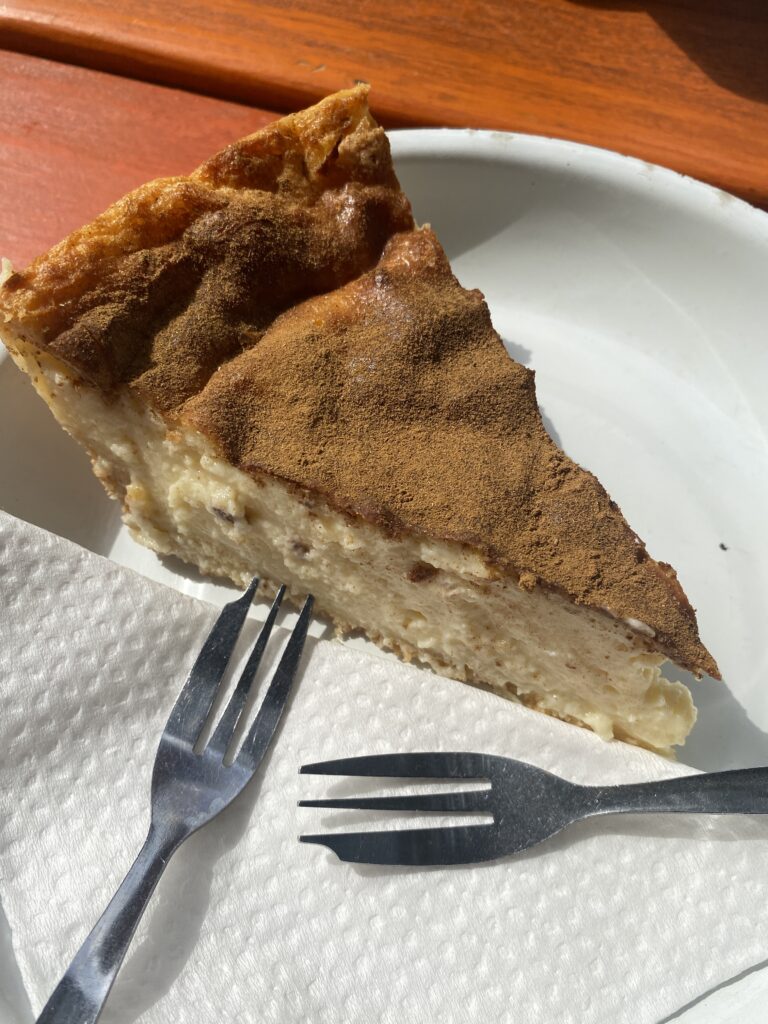
Namibia was not just another vacation. It was the trip that changed something in me. This was my first country abroad, and the first time I realized the world was so much bigger, wilder, and more beautiful than I had understood from home. Looking back now, I can honestly say Namibia helped shape the trajectory of my life. It planted the seed that later pushed me to study abroad, work abroad, keep traveling, and chase a life built around curiosity and experience.
We landed in Windhoek and spent our first night in the capital city. I remember arriving wide-eyed, half expecting to see elephants casually roaming the streets the second we landed. Spoiler: that did not happen. Still, there was an energy to arriving somewhere so unfamiliar that made everything feel exciting.
That night we went to a tropical-themed restaurant that was delicious, but what I remember most was driving into the parking lot and seeing guards standing by the cars holding large guns. It was one of those moments that reminds you that travel means learning how other places operate. I learned that tipping the guards on the way out was common as a thank you for watching your car.
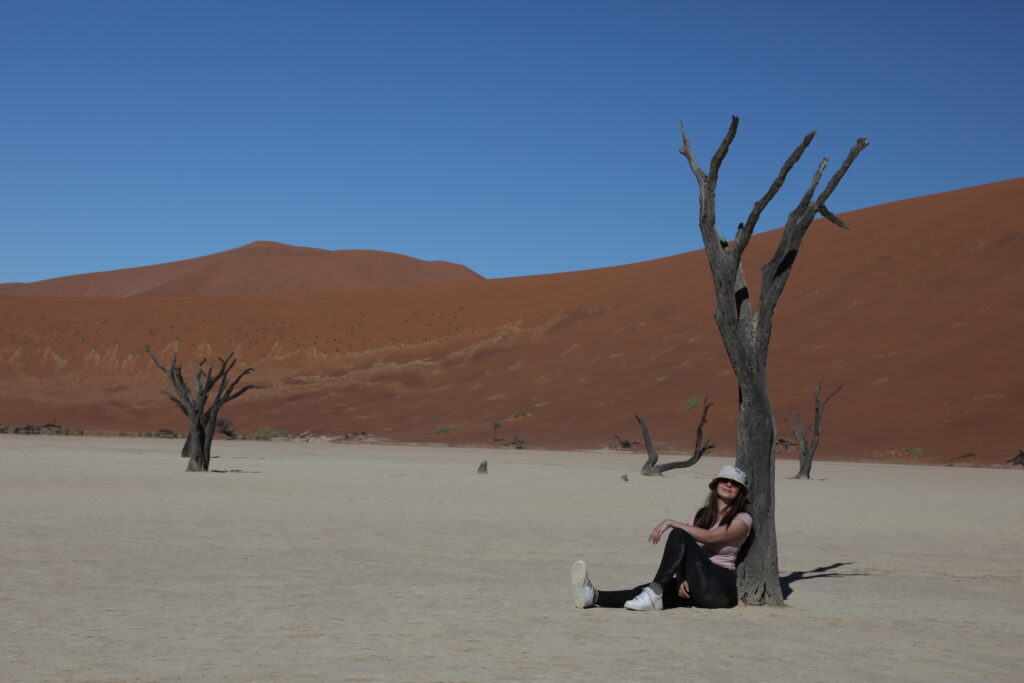
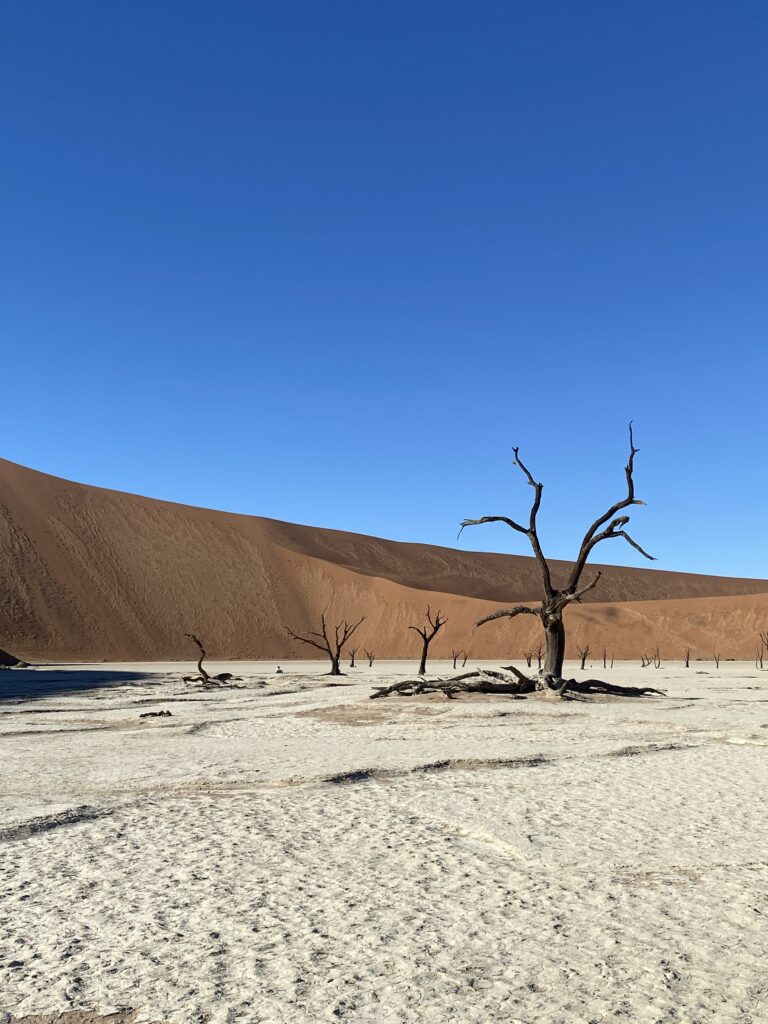
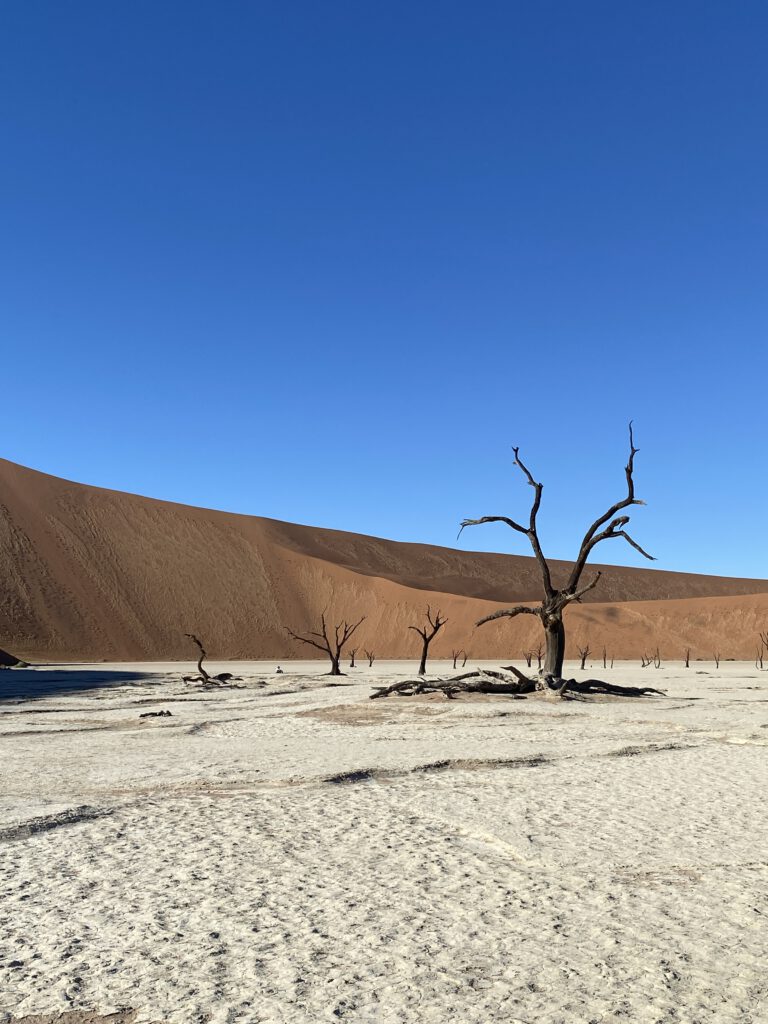
The next day we drove to Sesriem and stayed at Sossus Dune Lodge. This was where I first saw the legendary dunes of Sossusvlei. Massive orange-red sand dunes rising into the sky, endless desert silence, and the haunting ancient trees of Deadvlei standing in cracked white earth. It was breathtaking. Truly moving.
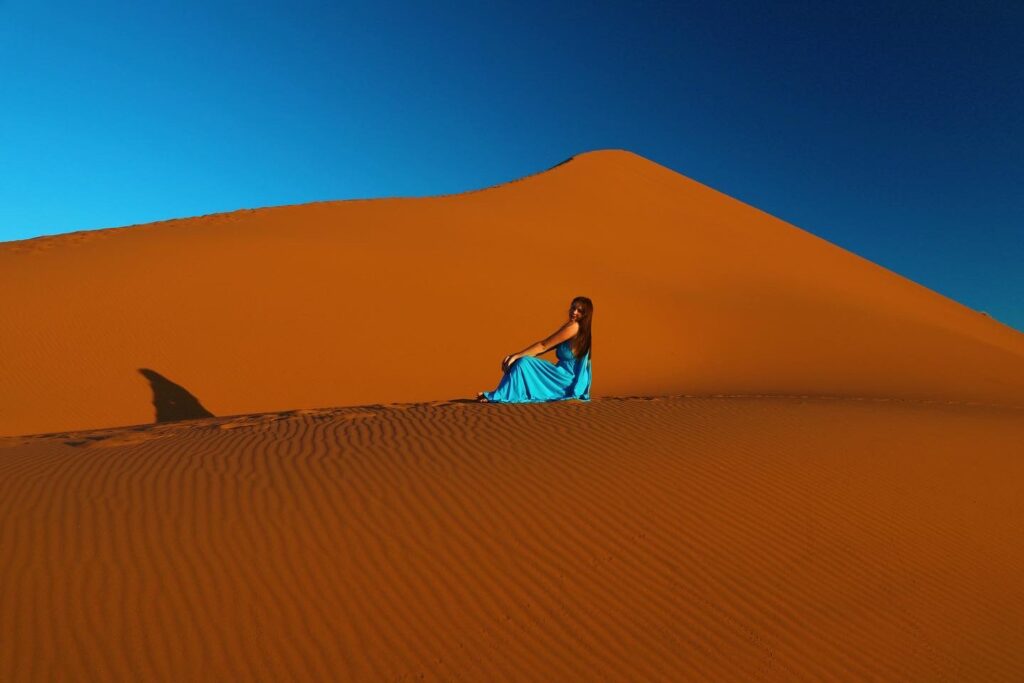
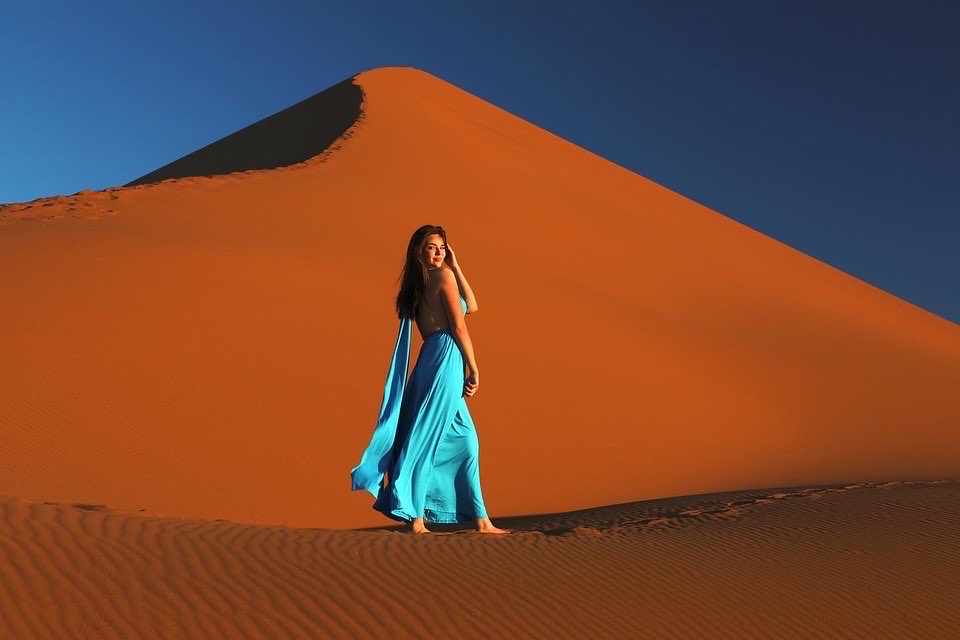
Because I needed a cinematic moment, we took sunset photos of me in a blue gown standing on the dunes. My dad is a photographer, so how could I not take advantage of one of the most dramatic landscapes on earth?
The lodge itself was beautiful but simple—limited power, peaceful nights, and meals included. Namibia was full of incredible steak for shockingly low prices. Steak every day and so many eggs was custom. The first night I had one of the best steaks ever. The second night I confidently ordered “game steak,” assuming I had cracked the code. Midway through chewing something much tougher, I learned game meant kudu. Lesson learned.
At night, the stars were stunning. The brightest stars I have ever witnessed. We stayed up late simply staring up at the sky.
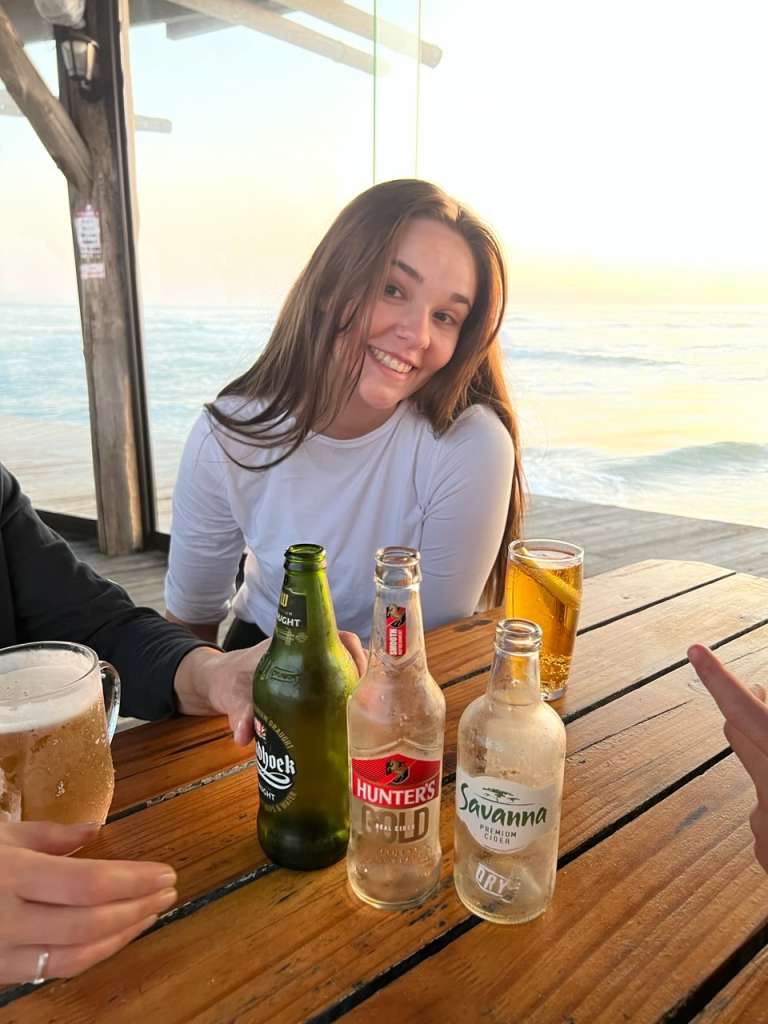
Next we headed to Swakopmund, a coastal town that felt like a little reset in the middle of adventure. It had beach-town energy but still felt uniquely Namibian. My mom and I went to a resort spa and got a facial, massage, and pedicure for around $50 each. Paradise. I also had an amazing chicken pineapple sandwich and cider at Tiger Reef Beach Bar & Grill. It felt like a mini vacation inside our vacation.
Then came my favorite part of the trip: Etosha National Park.
We stayed first at Okaukuejo Resort, a lodge inside the park gates. Once the sun goes down, the gates close, so you have to make it back before dark. During the day, we packed lunches and headed out in our car for long eight-hour drives searching for wildlife.
Etosha is around 8,600 square miles, so spotting animals is patience, luck, and a lot of staring into the bright desert until your eyes hurt.
And we saw everything.
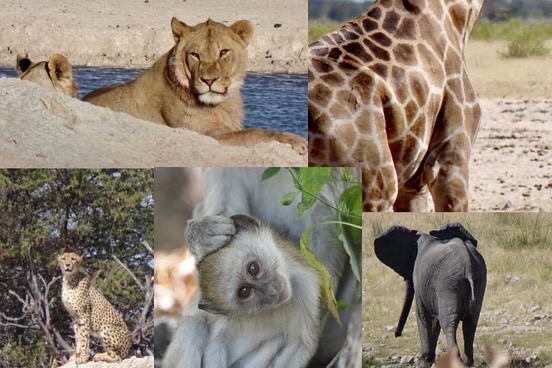
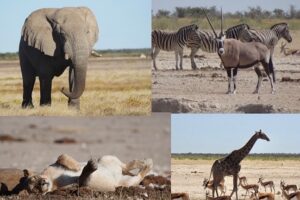
Elephants. Giraffes. Rhinos. Lions. Warthogs. Kudu. Antelope—so many antelope that we jokingly called them crumbs because they were everywhere. We even saw cheetahs later in the trip, which was incredibly rare and special.
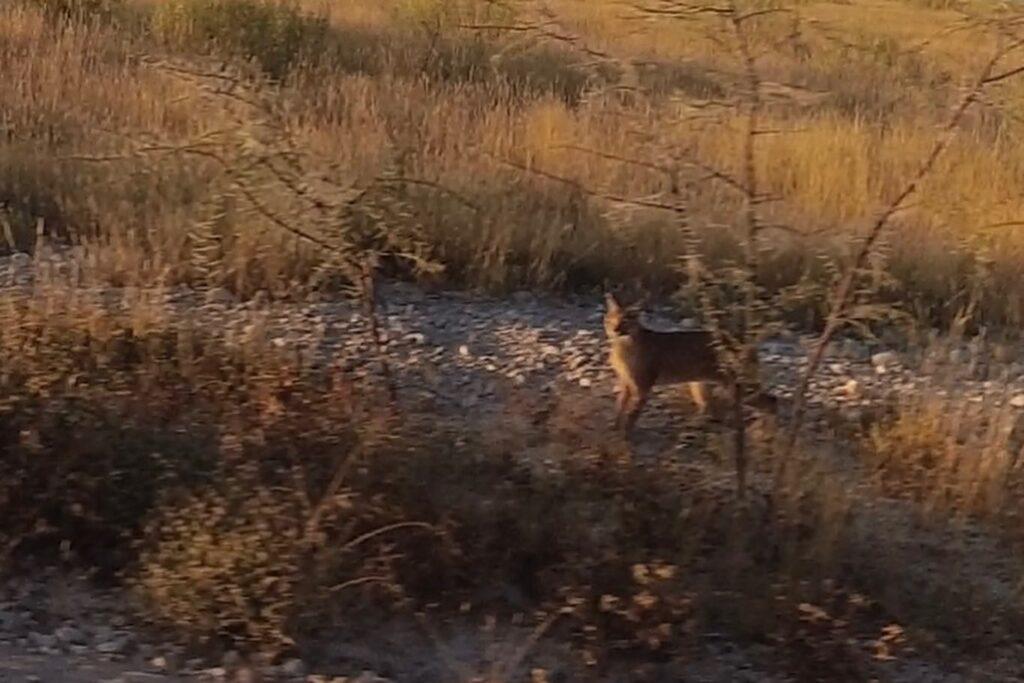
But the greatest wildlife moment of my life? The caracal.
Caracals are one of the coolest cats in the world—secretive, elusive, and rarely seen. So much so that no one actually knows the population of the species. We were racing back to the lodge at dusk trying to make the gates before closing, driving faster than normal and more focused on getting home than spotting animals. But I still had my eyes glued to the window.
Then suddenly, there it was.
A caracal walking through the brush beside the road.
I made direct eye contact with it and screamed, CARACAL! CARACAL!
My brother slowed down, turned the car around, but it had vanished into the bush. No one else fully saw it, and I was devastated for about thirty seconds.
Then we remembered we had a GoPro mounted on top of the car.
We checked the footage later and found the image.
Proof. Validation. Victory. Core memory.
I was so so happy, sad that my family didn’t see it but that just means we must go back!
We later switched lodges to Halali Resort to explore another side of the park, where we saw wild cheetahs. This encounter was rare and special because they are also endangered. Save the animals everyone!
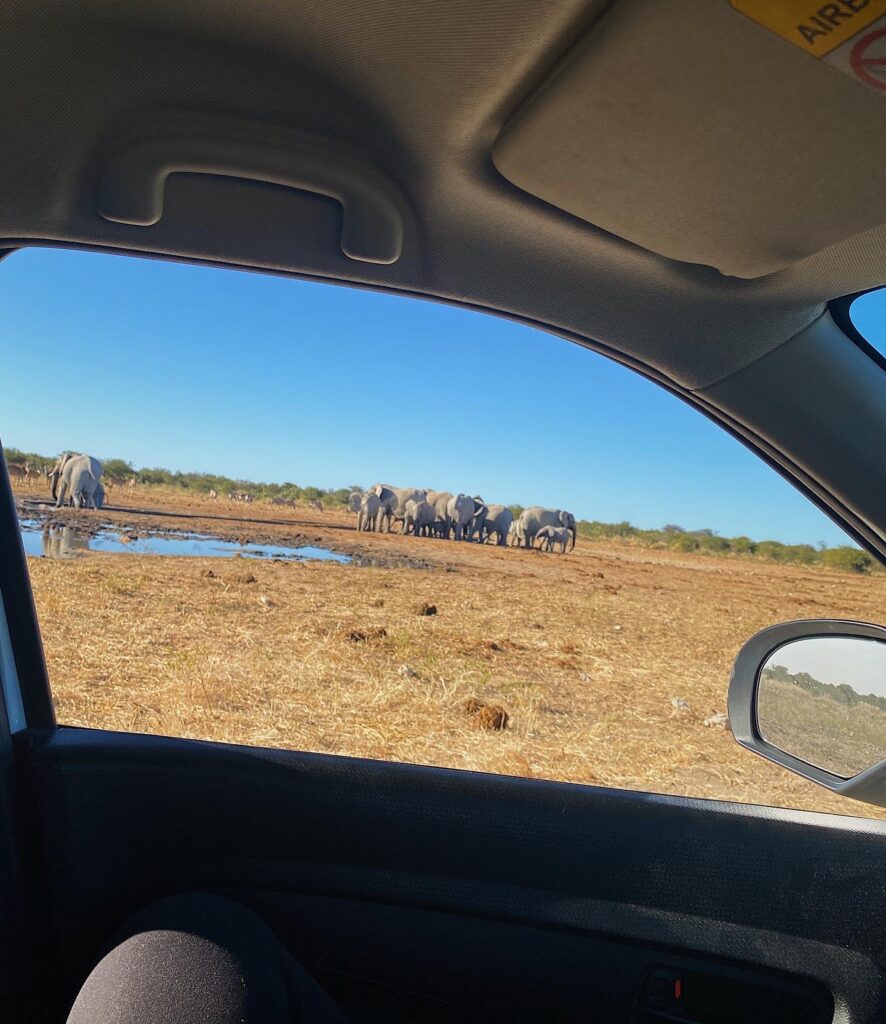
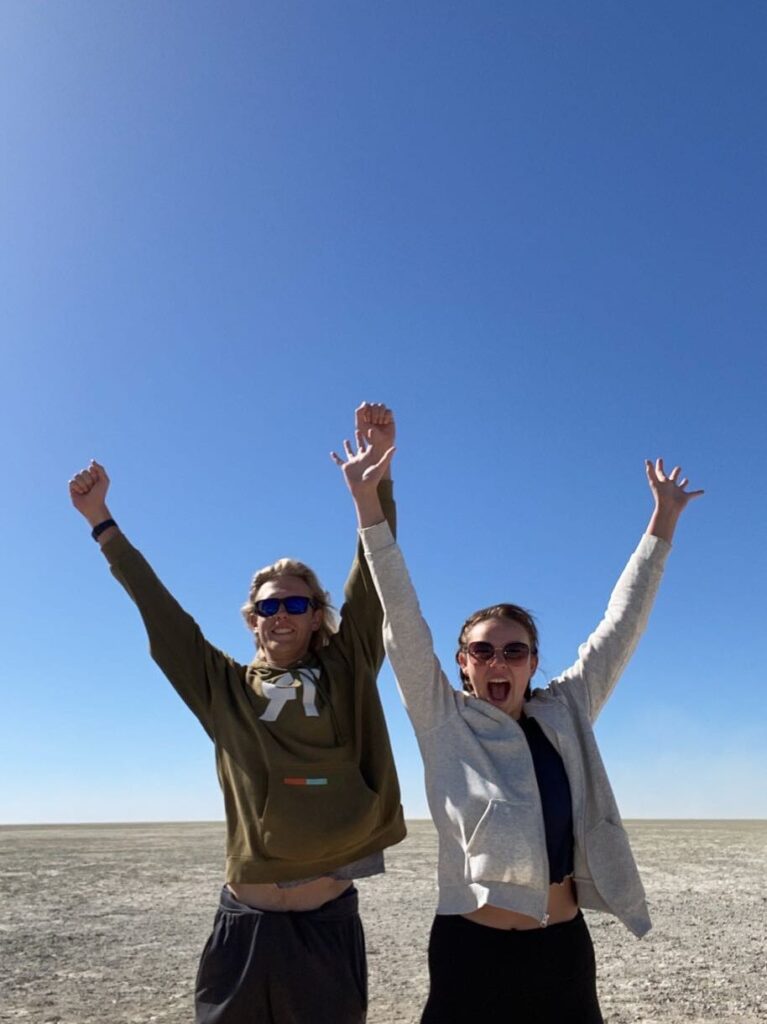
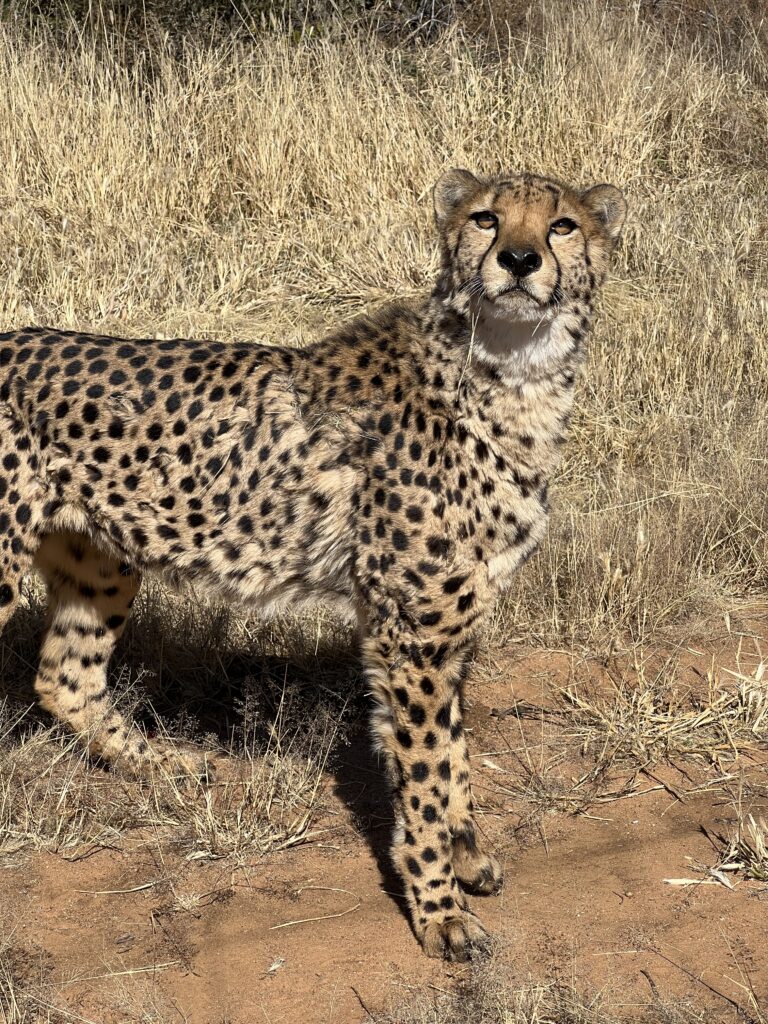
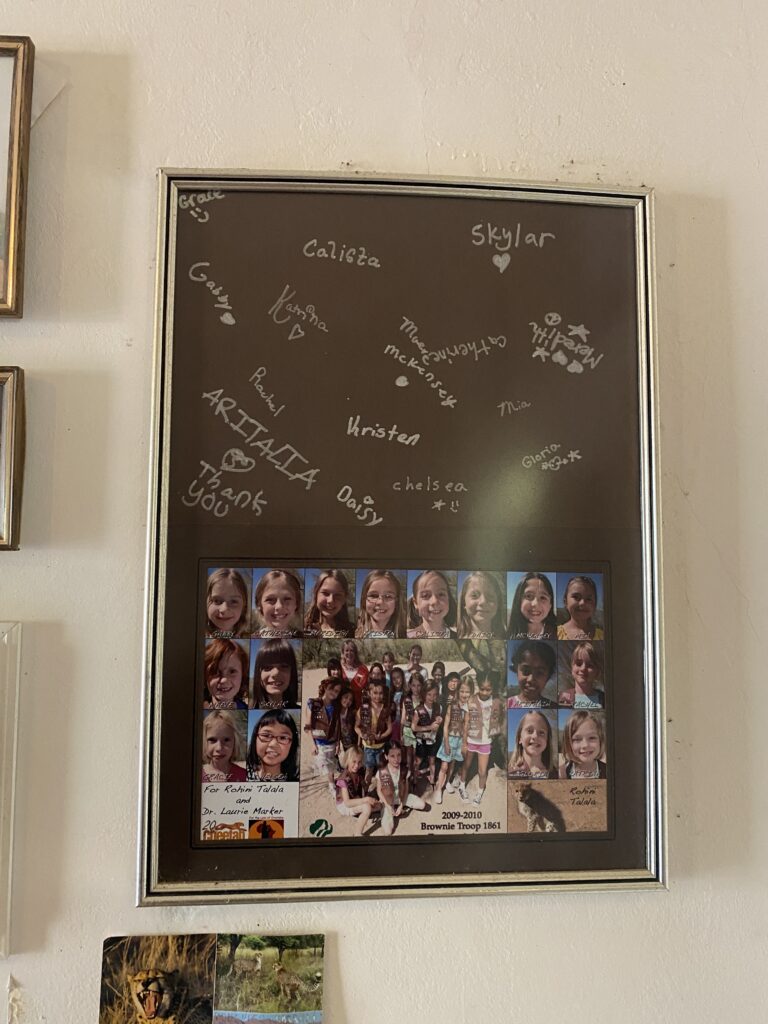
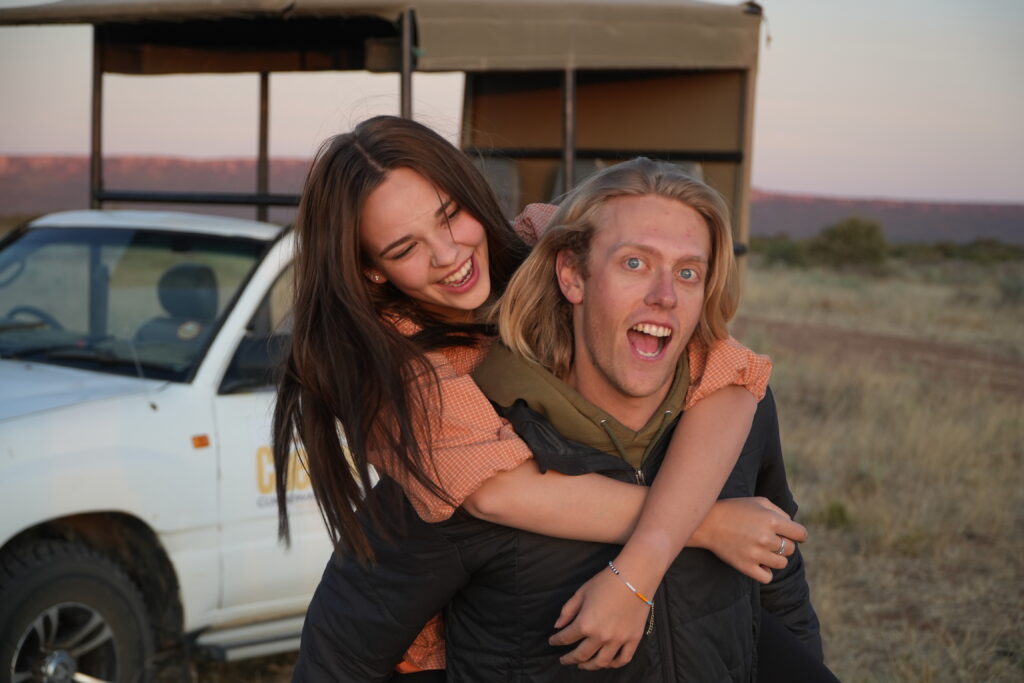
After Etosha, we drove to the Cheetah Conservation Fund, one of the world’s leading organizations protecting endangered cheetahs. My family has a nonprofit called Cheetah Kids that works directly with them, and my brother was living and working there at the time. I have known the founder since I was around four years old, so visiting felt deeply personal.
We got to do a cheetah run, feed cheetahs safely from the back of a pickup truck, and observe these incredible animals up close in an ethical environment. Important note: never support places where people pose or touch wild animals for photos.
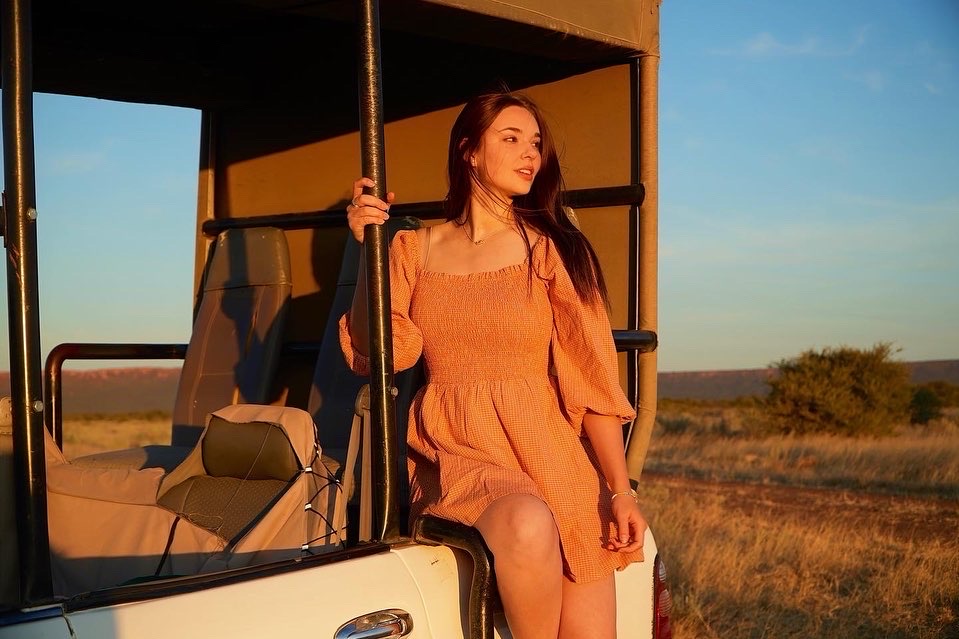
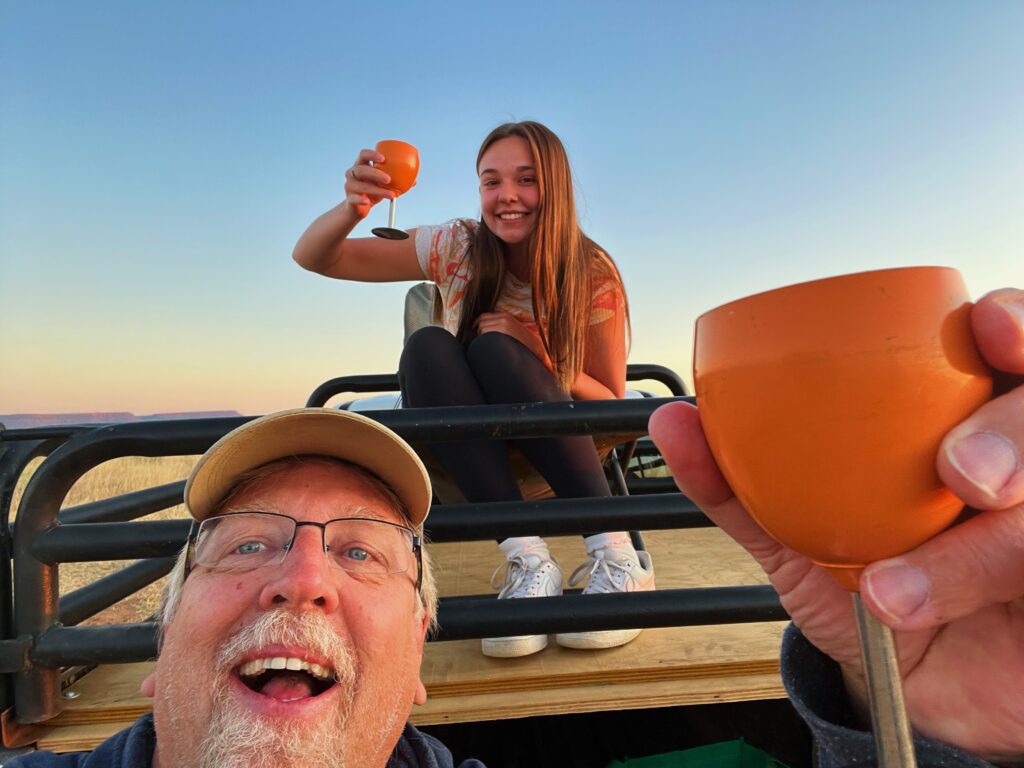
One of my favorite traditions there was a sundowner—driving out into the reserve at sunset and having drinks in the open field with friends while the sky changed colors. It was simple and perfect.
The reserve had wildlife too, and we would often spot giraffes. We hoped for a leopard, but no luck that time.
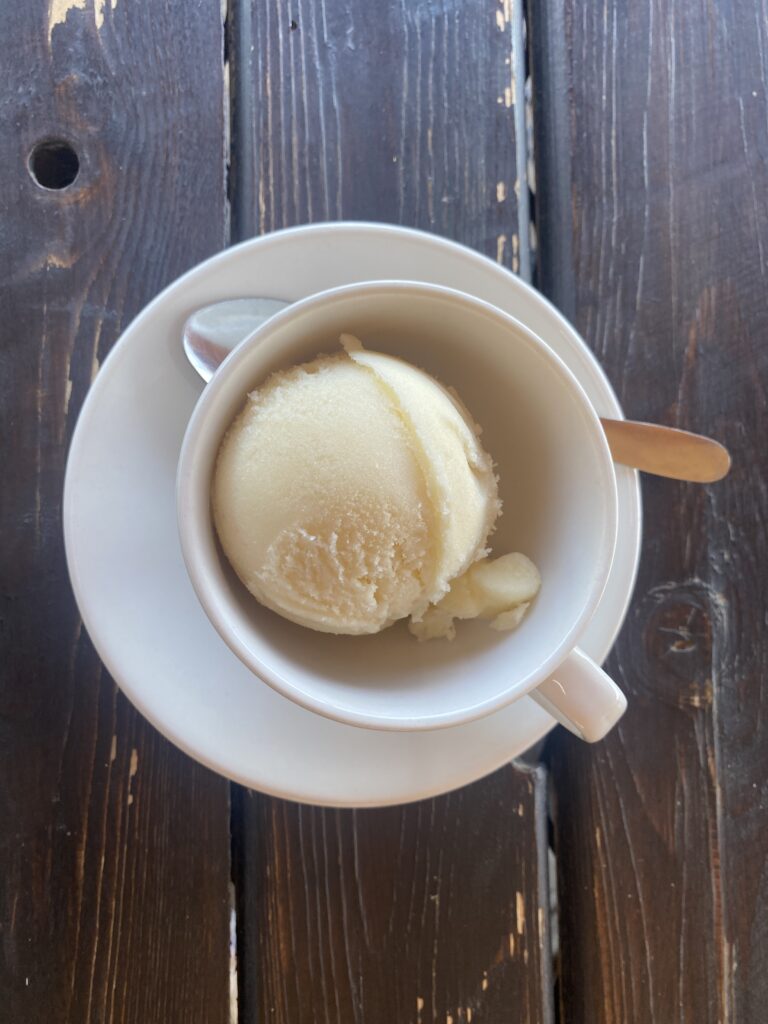
The food there was unreal. Chef Ruel, I still think about your meals. We also visited the goat program and tried goat ice cream, which sounds suspicious but was actually great.
If you are interested about conservation, I encourage you to learn more about the work the Cheetah Conservation Fund does at Cheetah.org !
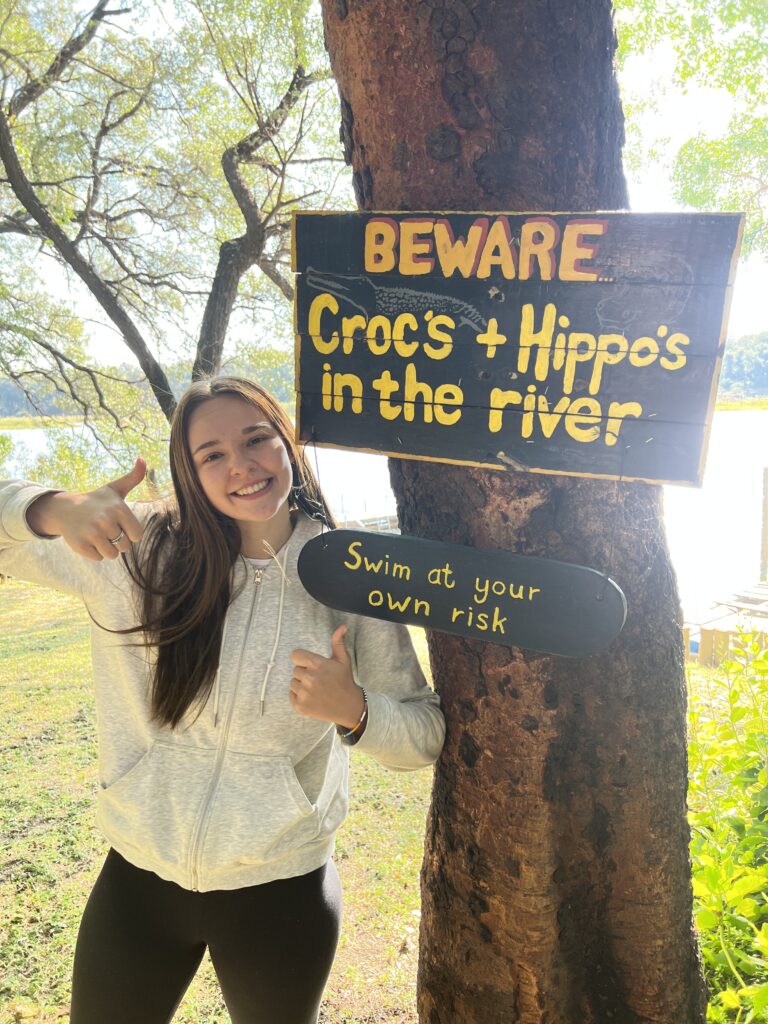
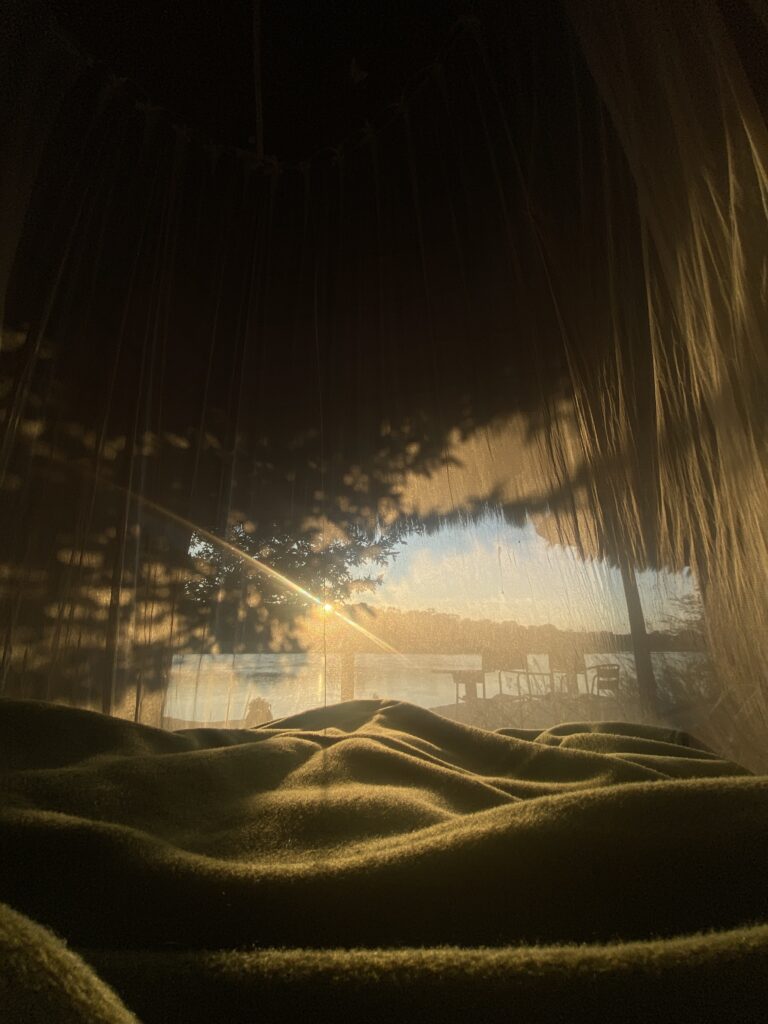
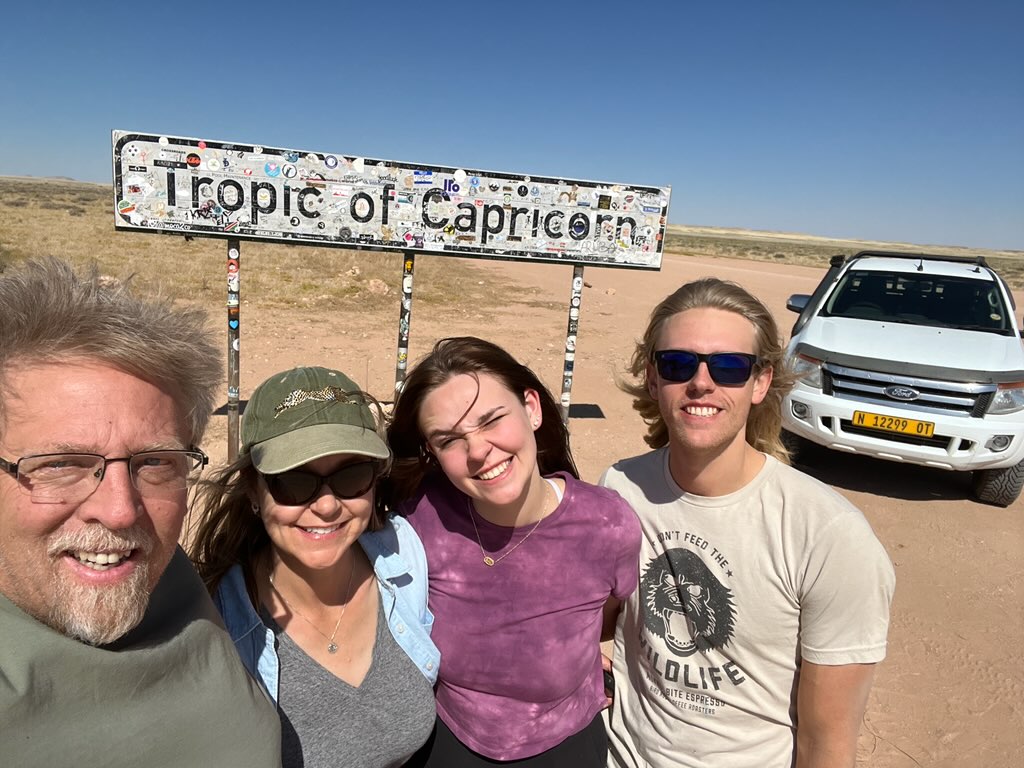
Our final stop was the Caprivi Strip, where we stayed at Ngepi Camp in a treehouse on the Kavango River.
No doors.
Just mosquito nets.
We fell asleep listening to hippos bellowing in the dark. Looking back now, I genuinely don’t know how we calmly accepted sleeping in an open treehouse next to hippos, but at the time it felt magical.
And that was Namibia.
Wild, raw, beautiful, and life-changing.
This was the trip where I discovered I wanted more from life than staying still. It made me want to study abroad. It made me want to keep exploring. It showed me that some of the best parts of yourself are found when you step into the unknown.