BELGIUM
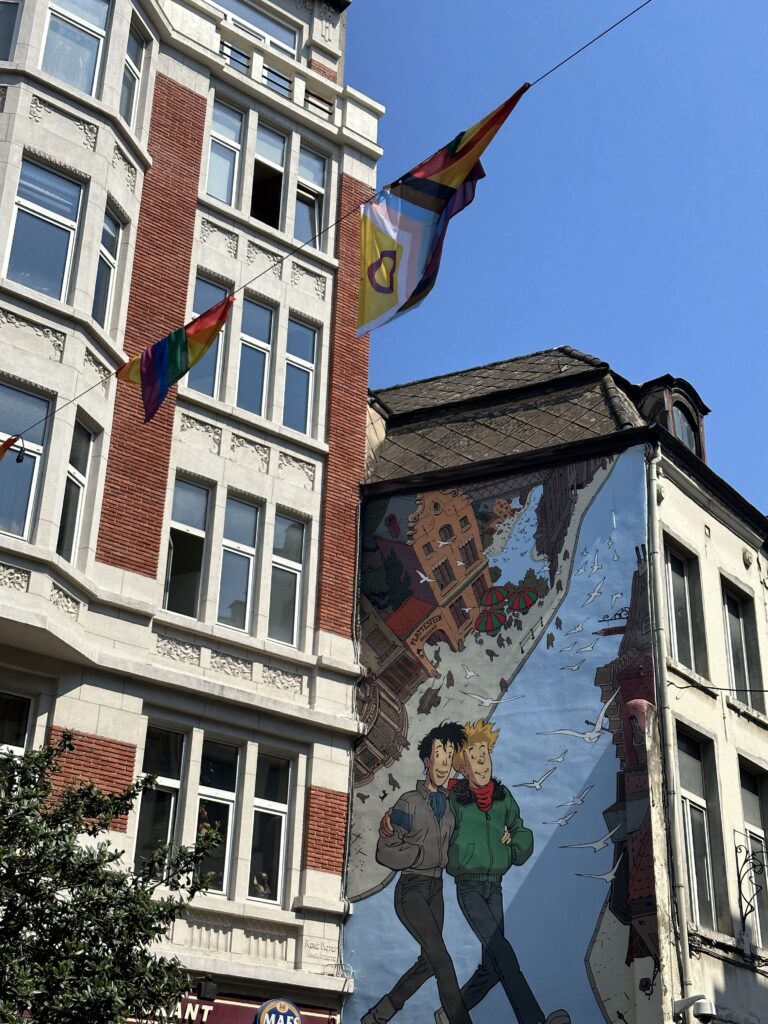
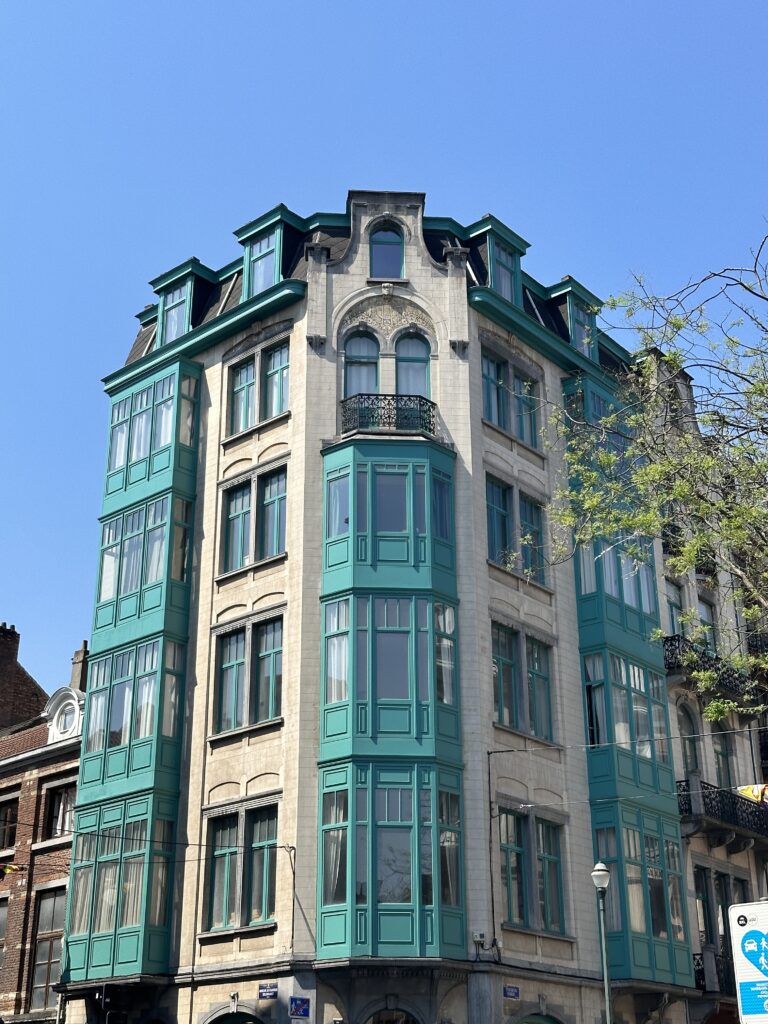
Brussels felt full of juxtapositions — grand beauty mixed with interesting humor?
Grand and gritty. Historic and modern. Refined and random. One street gives you royal architecture, the next gives you tourists crowding around a tiny statue of a baby peeing water. Somehow, it all works.
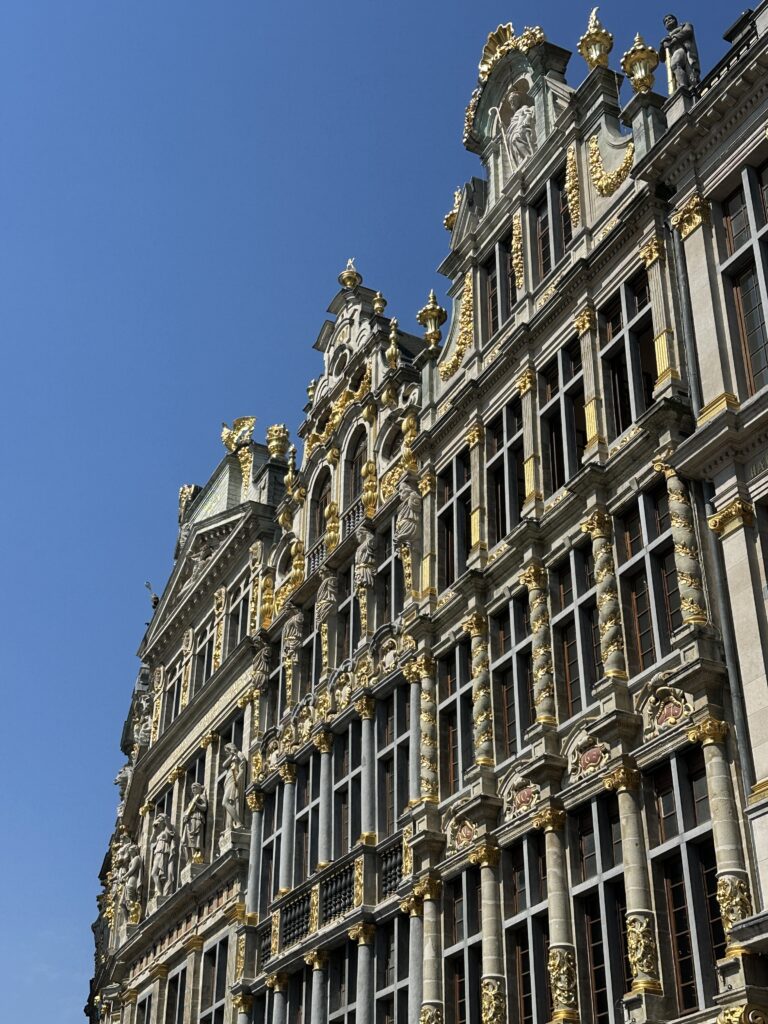
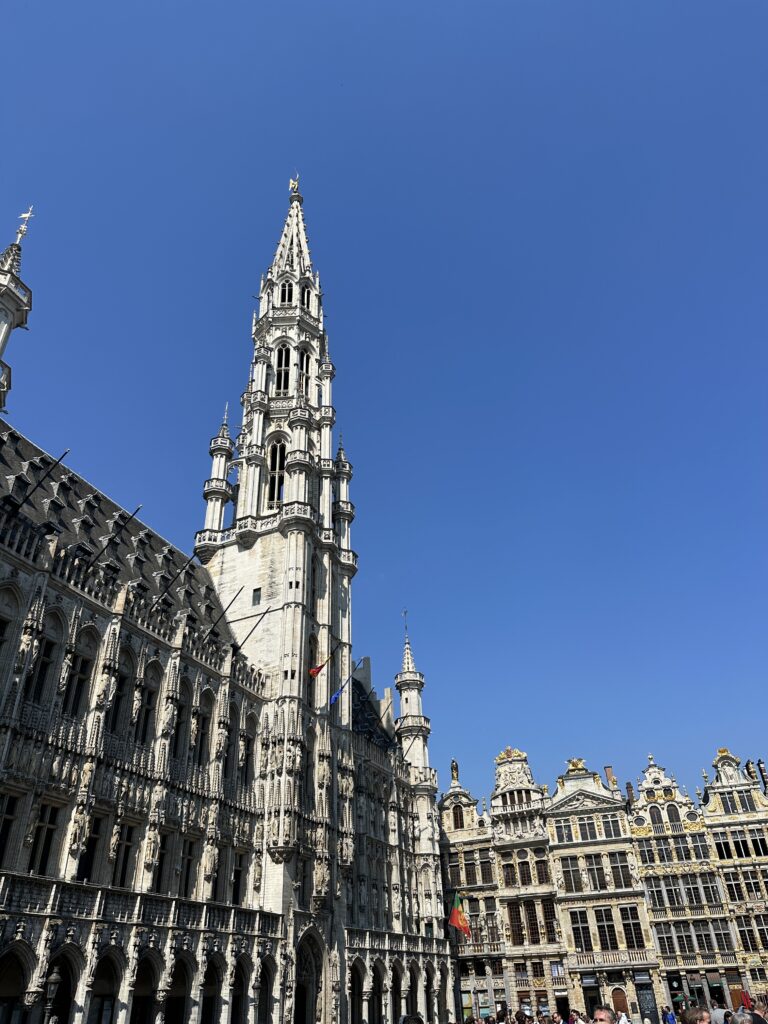
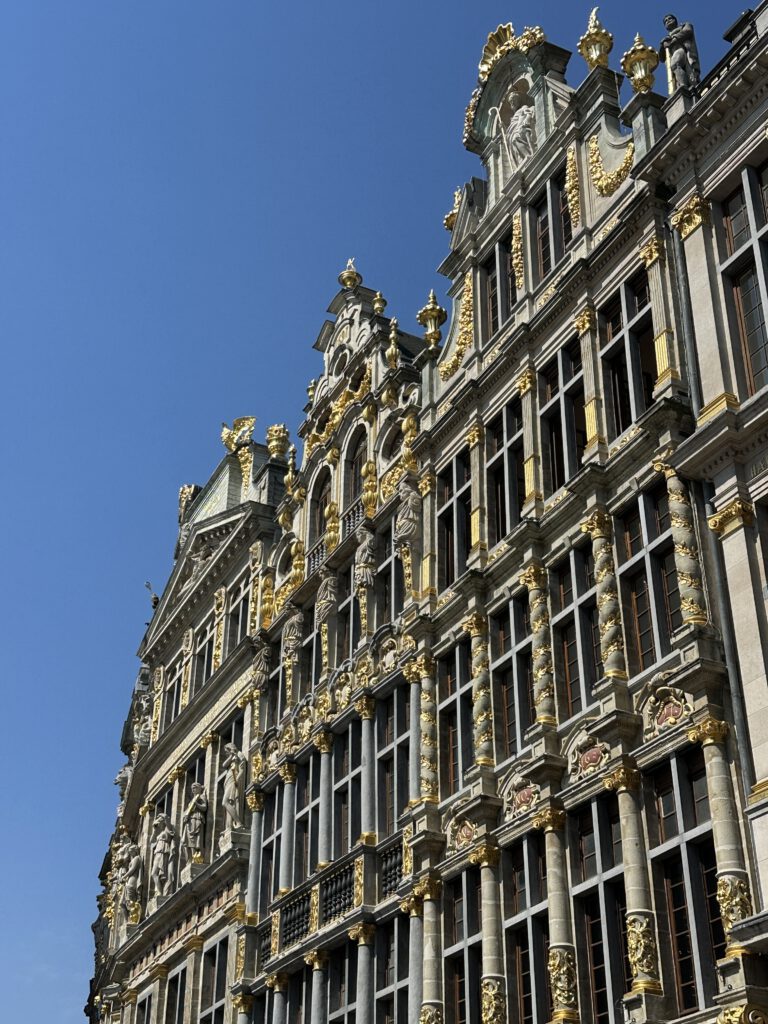
The moment I stepped into the Grand Place, I understood why people rave about it. Gold detailing, dramatic buildings, elegance in every direction. It was eye catching.
Then five minutes later, I was laughing at Manneken Pis — yes, the famous random baby fountain. Only Brussels could pair one of Europe’s most beautiful squares with one of its weirdest attractions. It was so strange to see so many people huddled around a corner waiting for the curtain to reveal a baby peeing water? SO strange, but an attraction and somehow it perfectly represents Brussels.
Instead of choosing some grand king or serious monument, the city chose humor. It’s playful, a little rebellious, and doesn’t take itself too seriously. There are different legends about him saving the city, but honestly, I loved that Brussels made something so odd into one of its most known symbols. Only a city with personality could do that.
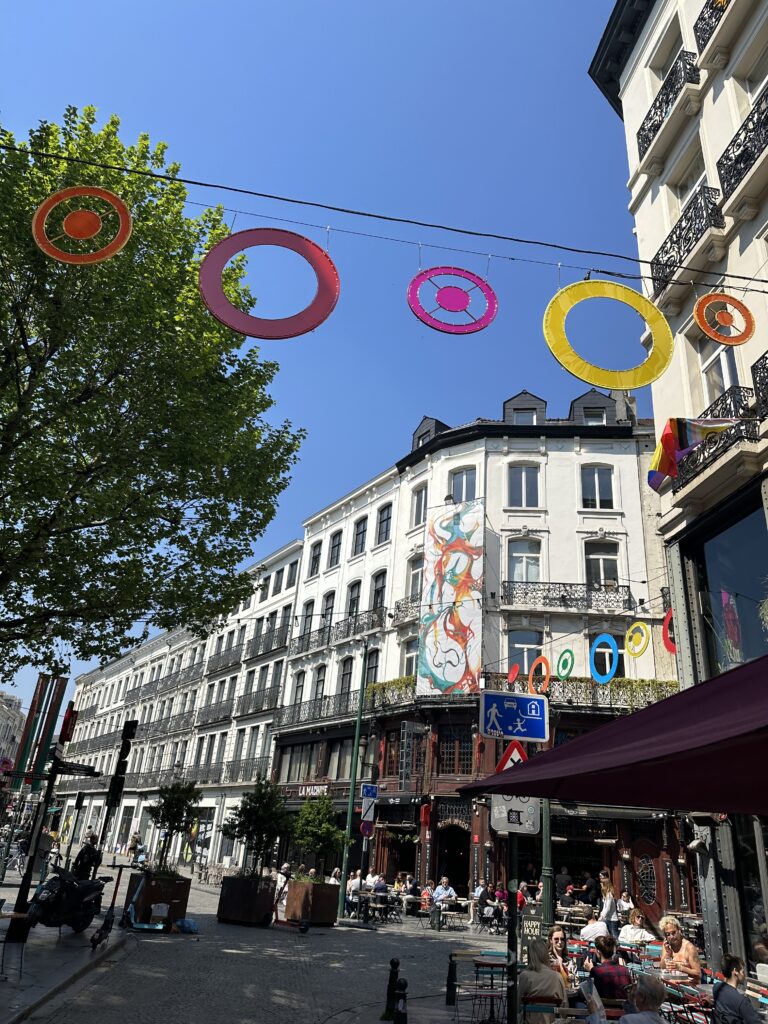
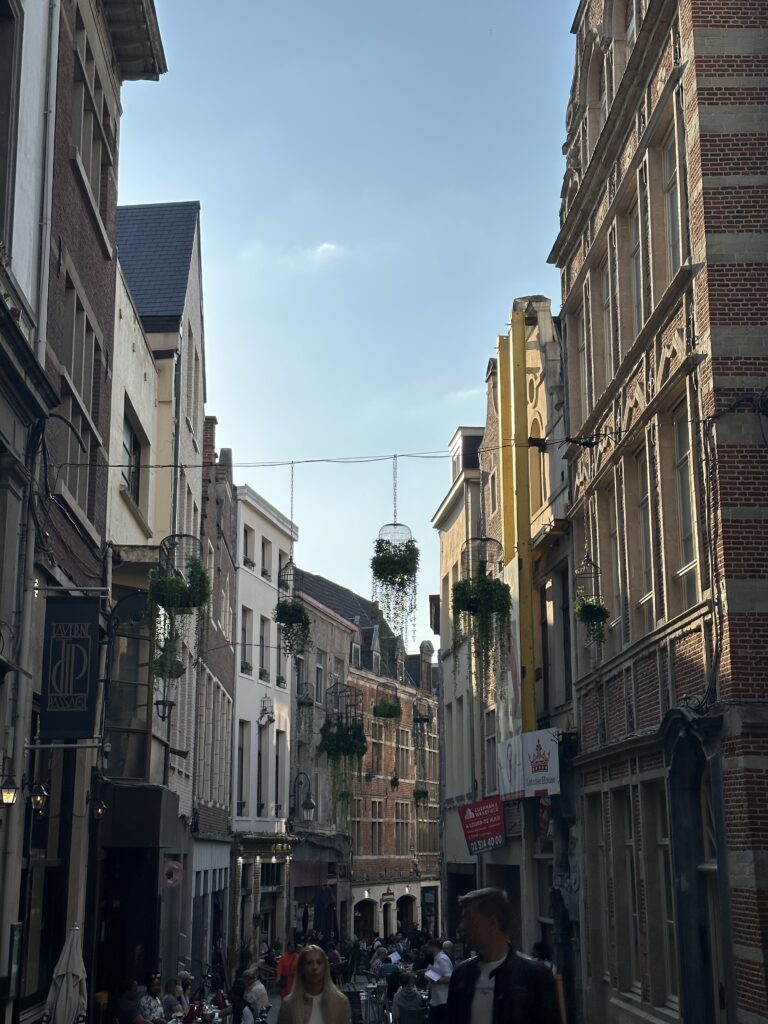
We wandered through Rue des Bouchers, where the city shifted again into busy restaurants, glowing signs, and that tourist-street energy that somehow still pulls you in. Everywhere smelled like butter, fried food, and dessert.
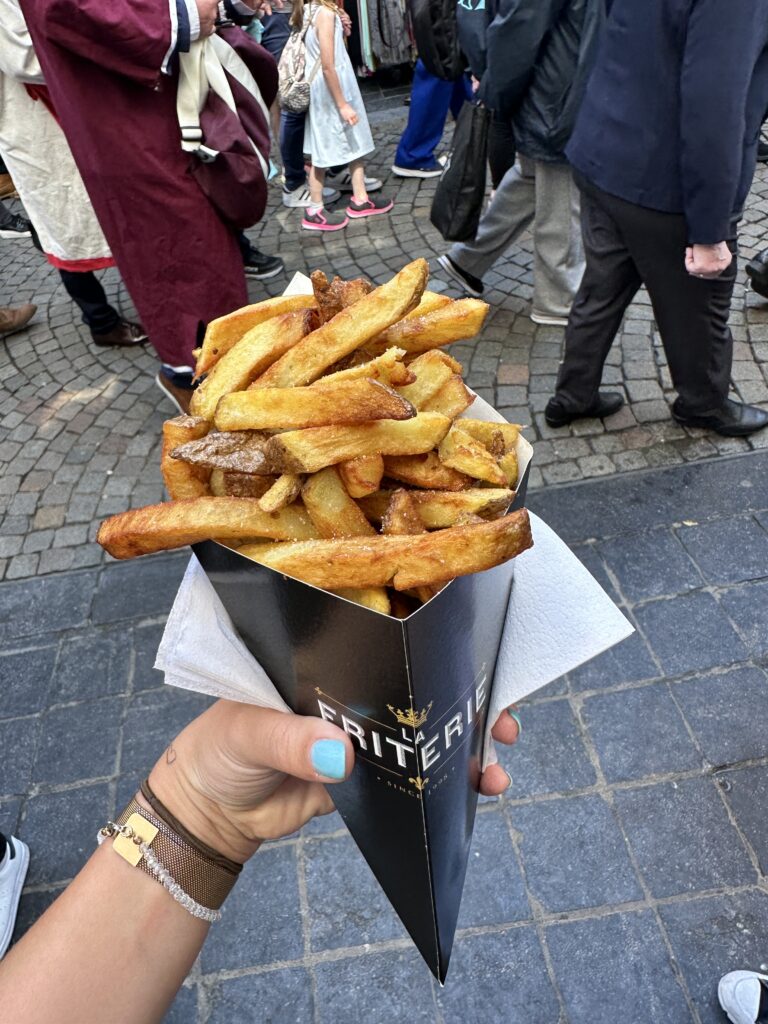
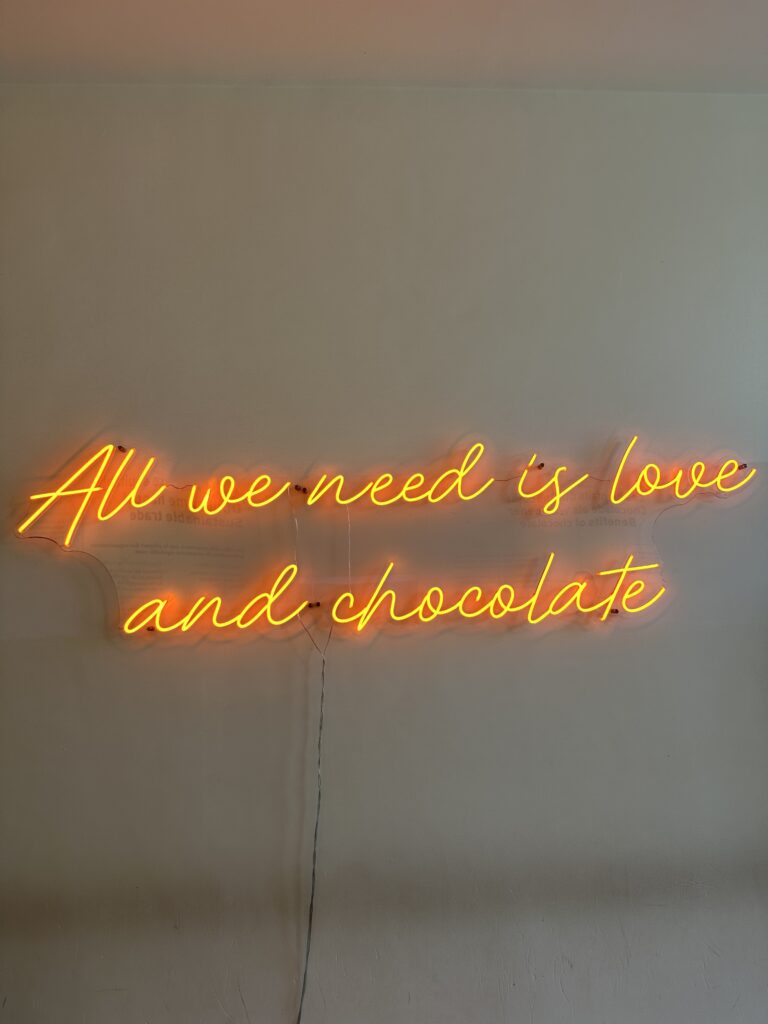
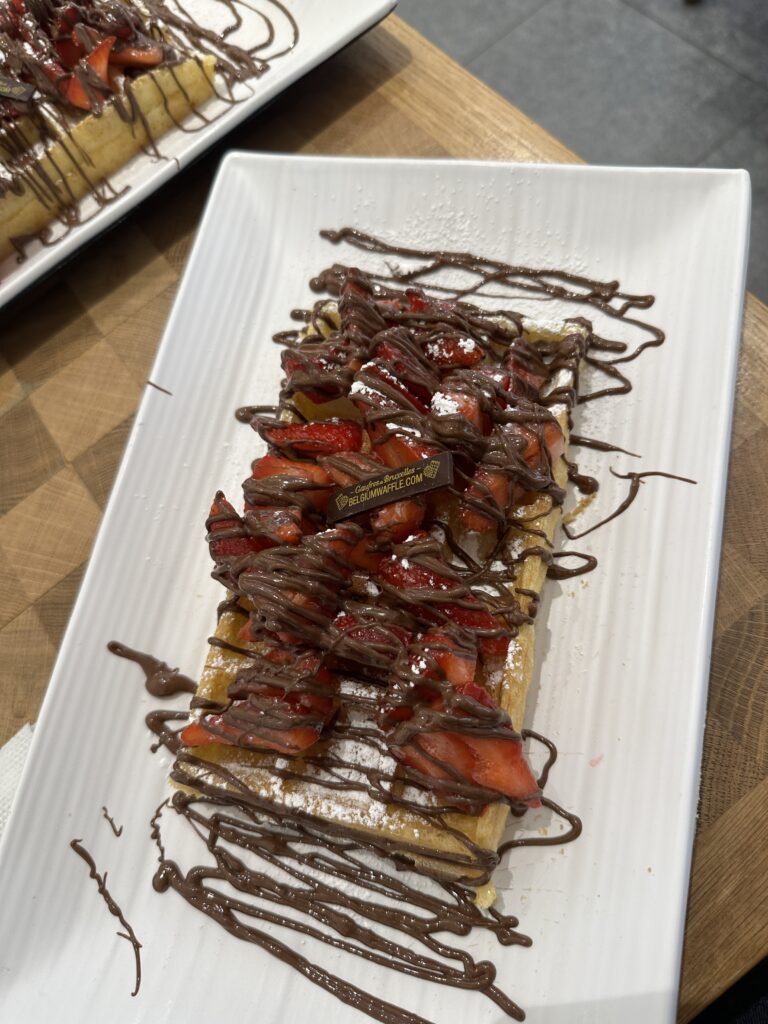
Belgium has infamous food that I did not really realize. Of course I knew of the Belgium waffle but then there were also the famous fries, the chocolate, the beer.
The fries were unreal — crispy, hot, addictive. The waffles were everything you’d hope Belgian waffles to be: warm, sweet, indulgent. And the beer? Dangerous in the best way. Belgium knows exactly what it’s doing when it comes to food and drink.
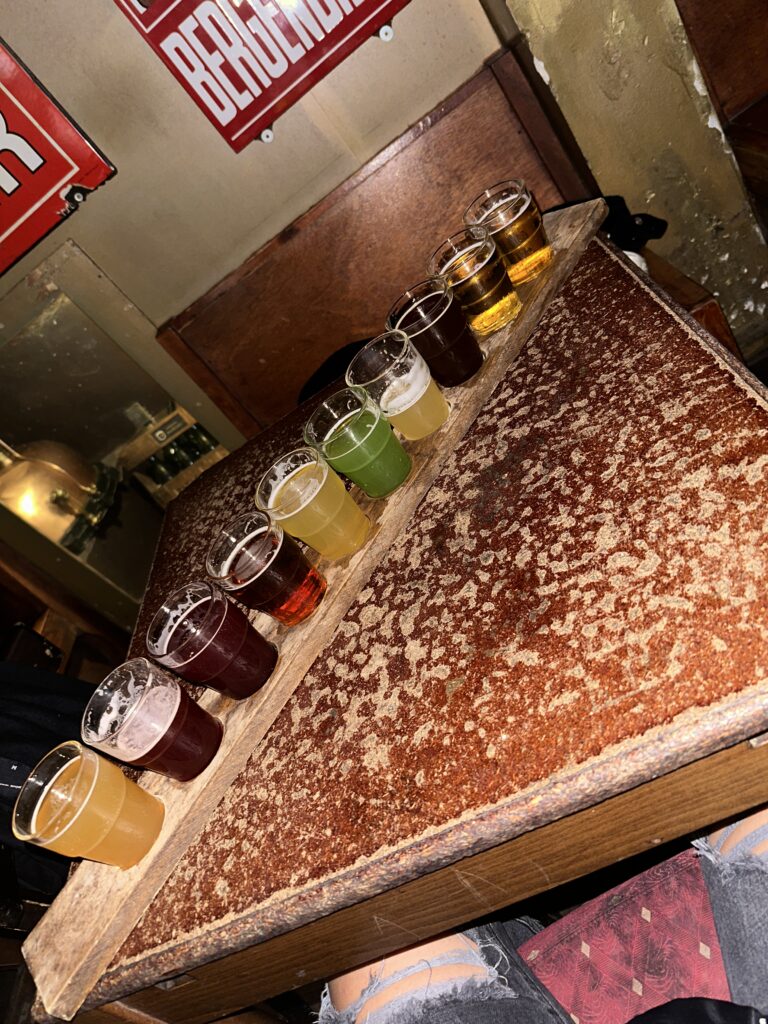
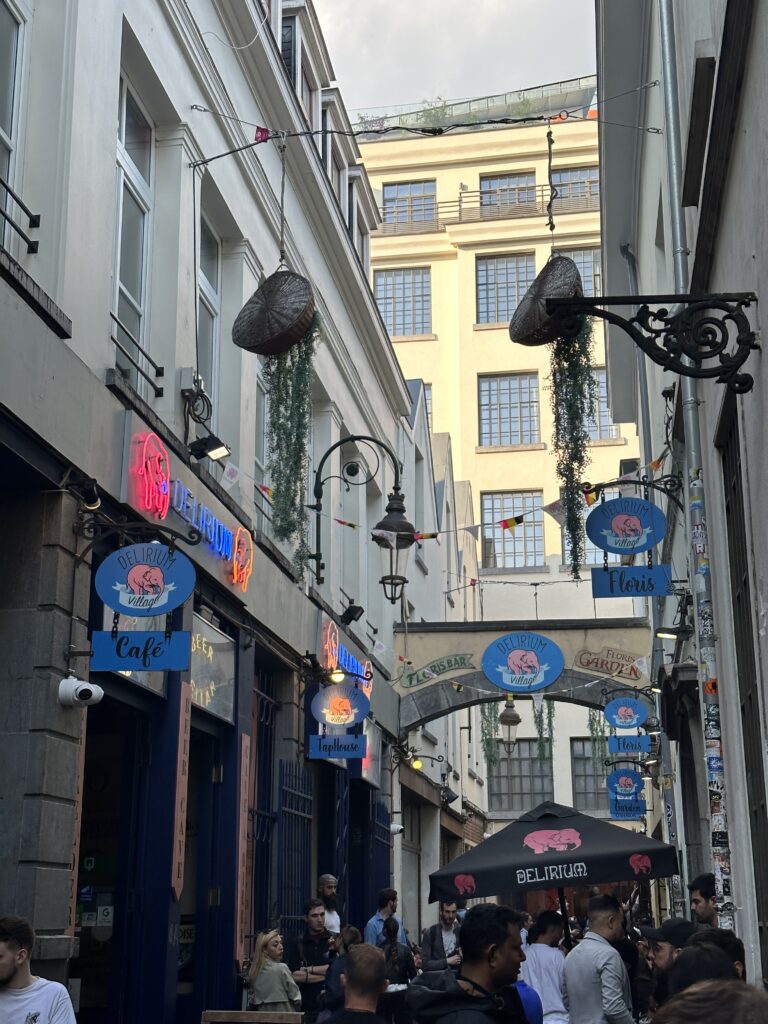
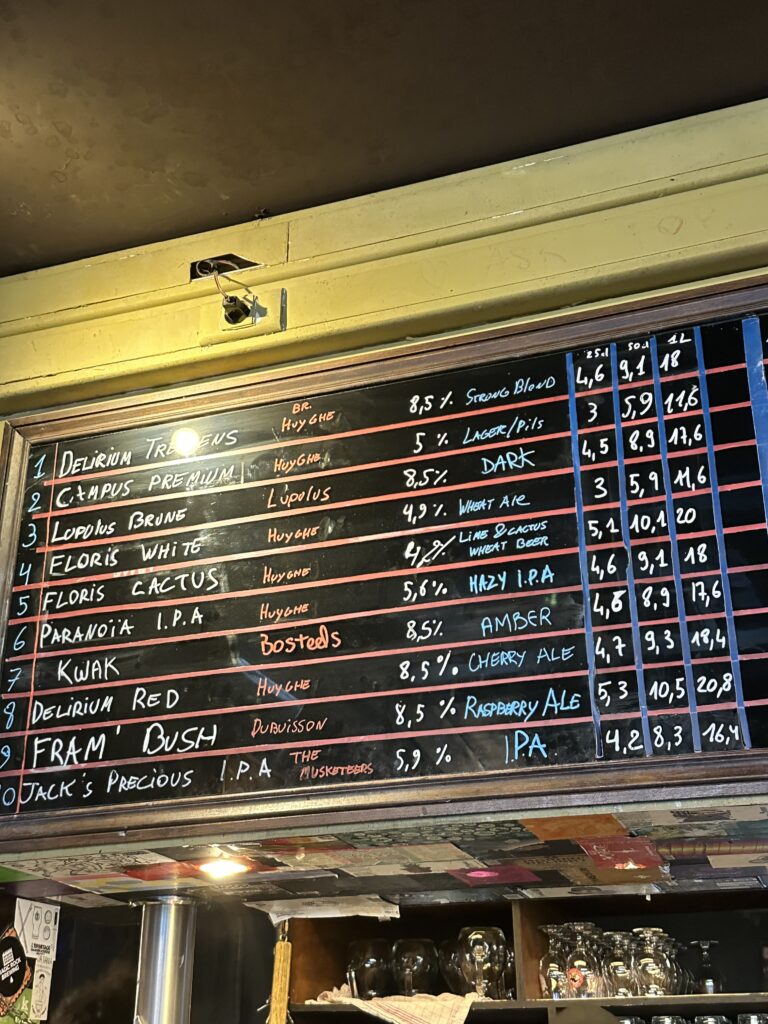
Lindsey and I went to the bar street, Rue du Marché aux Herbes. We sat down and got a flight of TEN beers. We were in for a NIGHT. Of course we finished all ten. Our favorites were Floris white, kwak, and the fram bush.
Then Brussels changed tone once more.
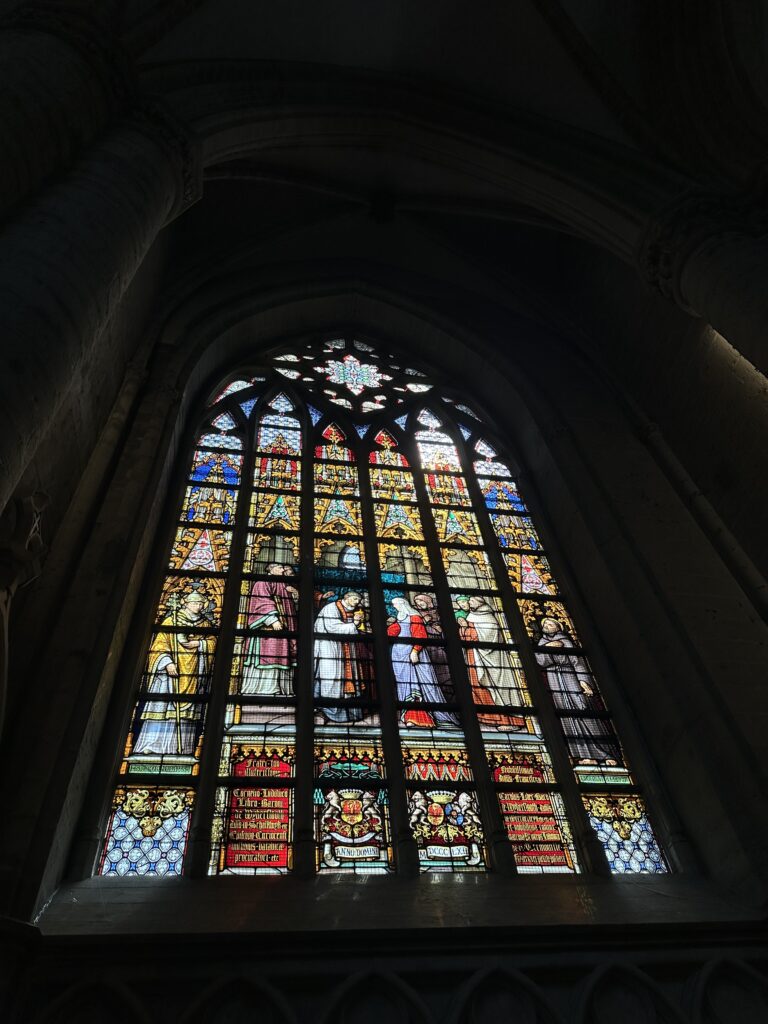
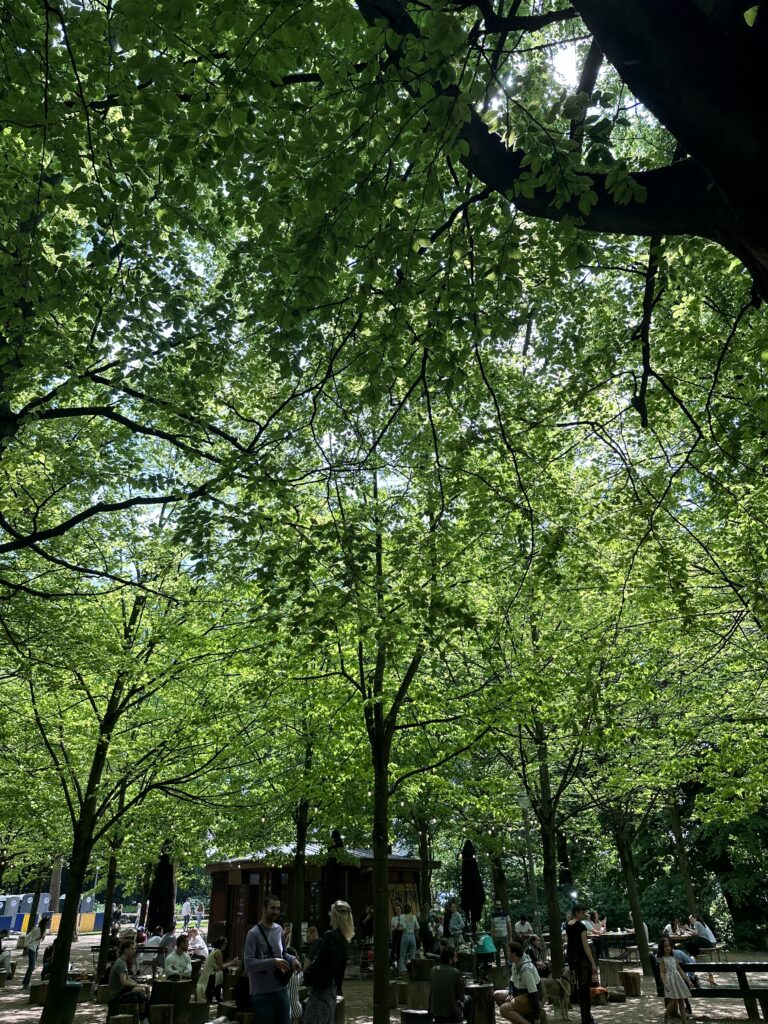
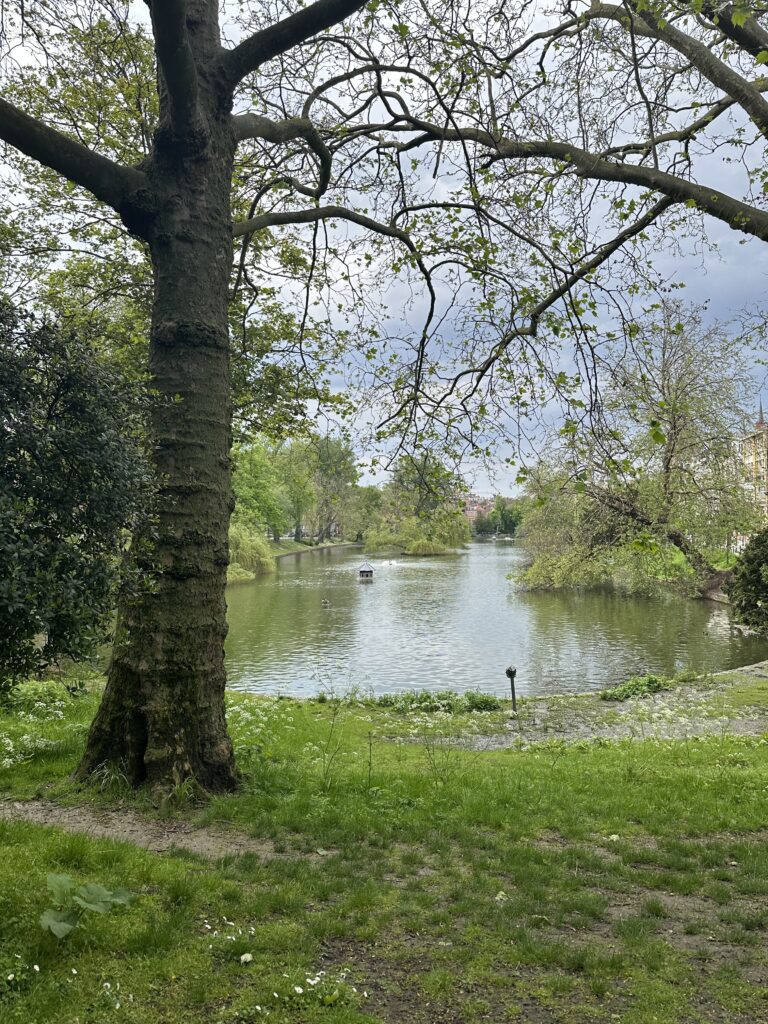
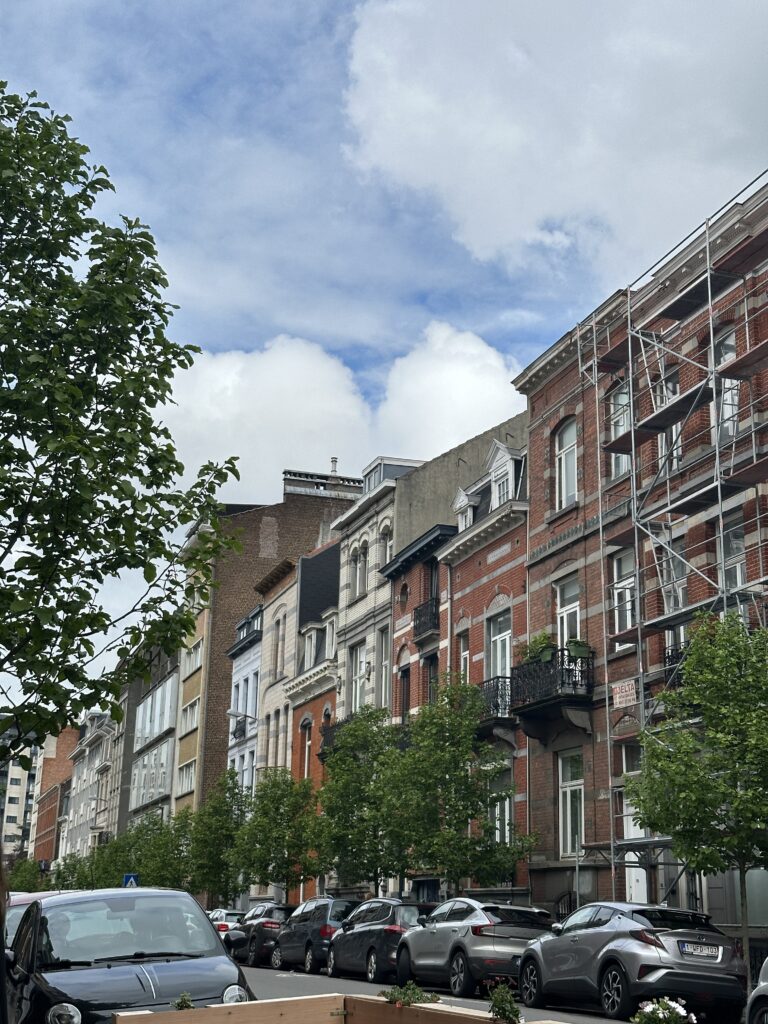
Cathedral of St. Michael and St. Gudula brought quiet grandeur, while Ixelles Ponds felt calm and residential, a softer side of the city away from crowds.
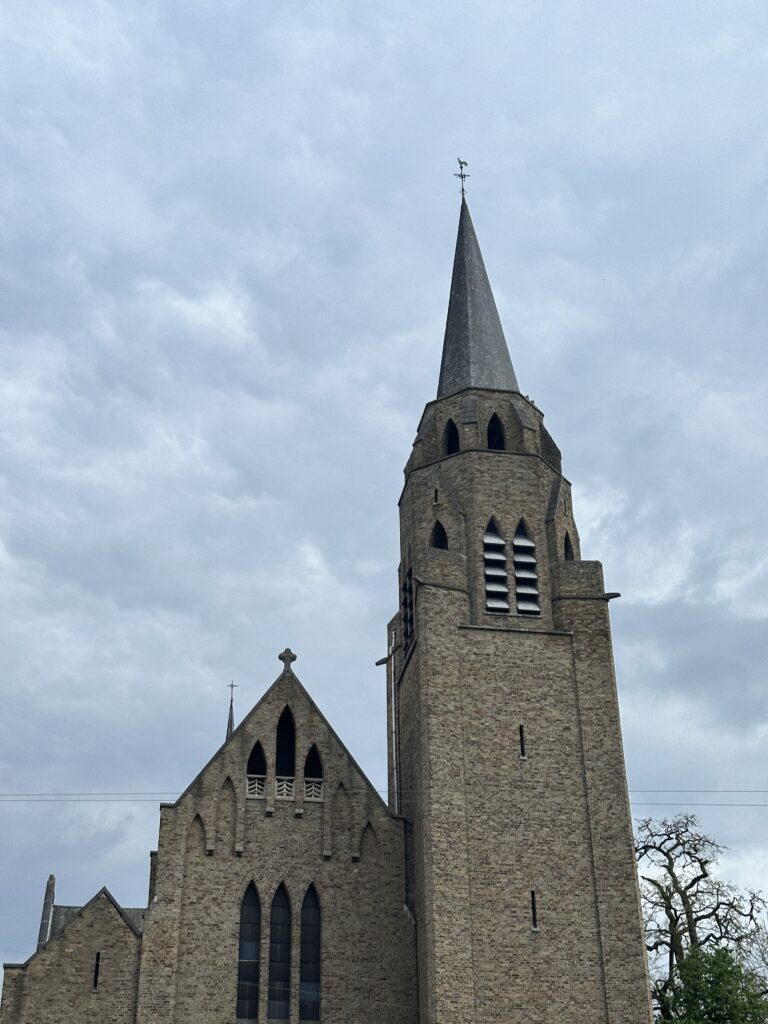
At the Church of Our Lady of Laeken and the monument to Leopold I, history took center stage again.
That’s what I remember most about Brussels: it never stayed one thing for long. There were a variety of things to do, no matter what you were feeling.
It even reminded me a little of downtown Phoenix — city energy, mixed influences, people from everywhere, pockets of beauty next to pockets of chaos.
Some places have one clear identity.
Brussels had many.
And maybe that made it more interesting than the cities trying too hard to be just one.