THAILAND
A Day in Bangkok
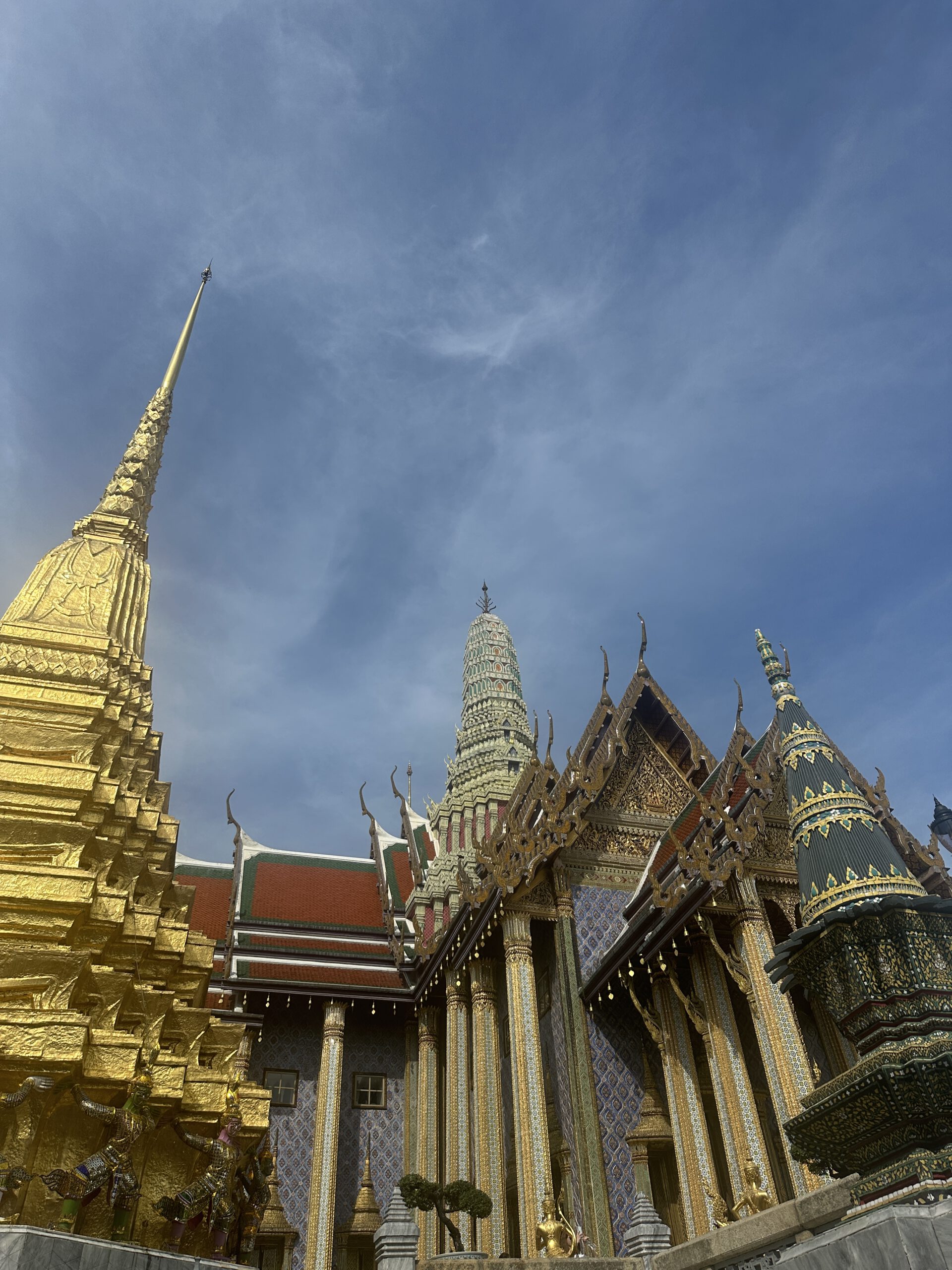
A country known as the Land of Smiles, with sparkling gold temples on every corner, markets bubbling with the smells of fried chicken and fresh watermelon, and kids laughing as they skip next to their parents. A place where everything seems to move a mile a minute, yet the people live slowly and deliberately — willing to drop whatever they are doing to help a stranger, or simply offer a smile. Thailand is not just a tourist stop, but a home to nearly seventy-two million people quietly living full, interconnected lives.
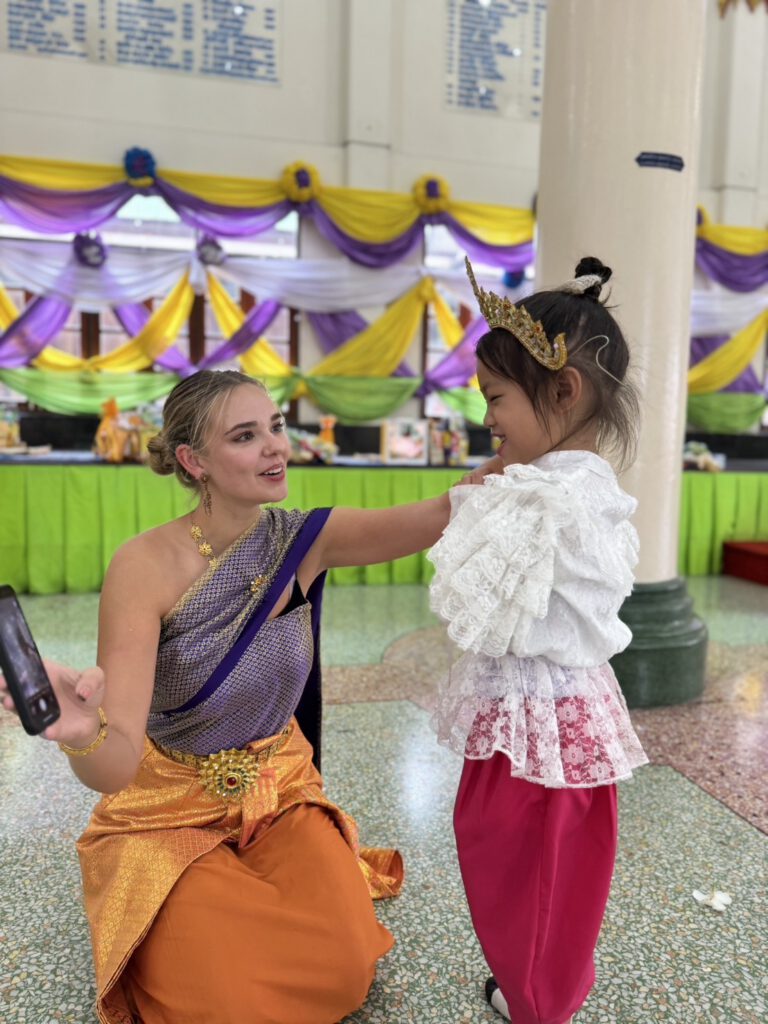
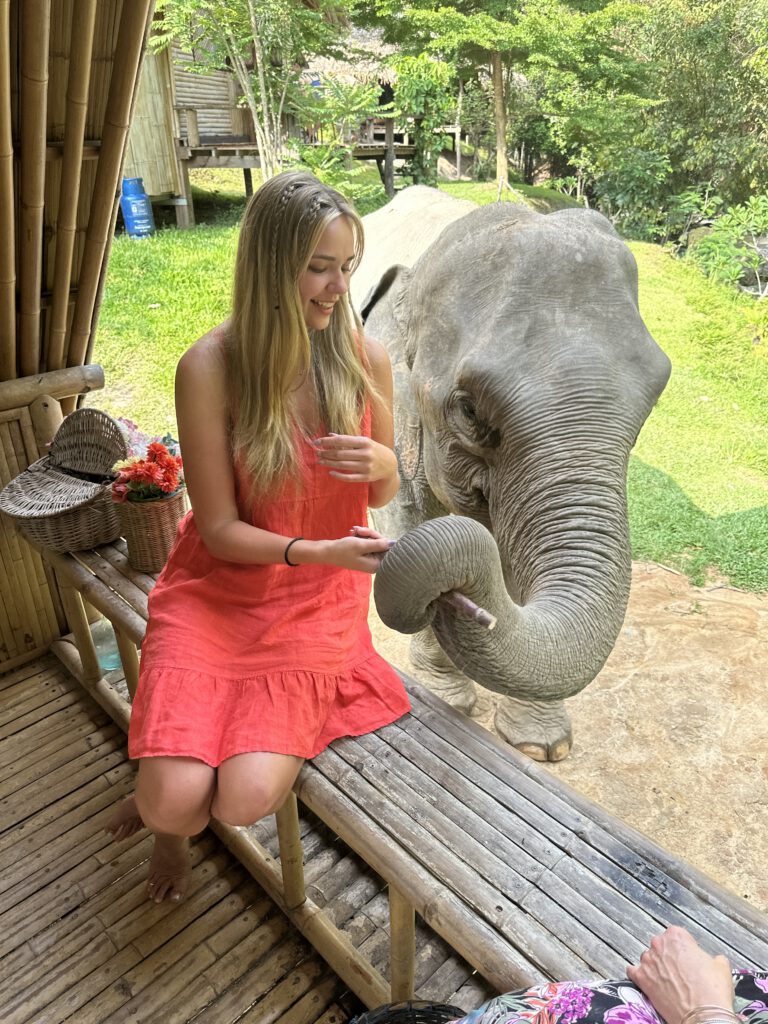
In Thailand, there is no impossible. Thai people will always find a way — whether that means fitting four people on one motorcycle, hanging a star on the top of a twenty-five-foot Christmas tree with no ladder, or finding your favorite foreign fruit for dessert. The Thai find a way. I was fortunate to live for a year just outside of the lively city of Bangkok, in a suburb called Samut Sakhon. At twenty-two years old, I jumped headfirst into a life of no cooking, constant humidity, traditional Thai attire, rice for breakfast, and a work environment with little instruction and even less English.
What struck me most wasn’t the chaos — it was the calm confidence behind it. Problems weren’t dramatized or delayed. They were simply handled, collectively and immediately. Help wasn’t something you asked for; it was something you received before you even realized you needed it.
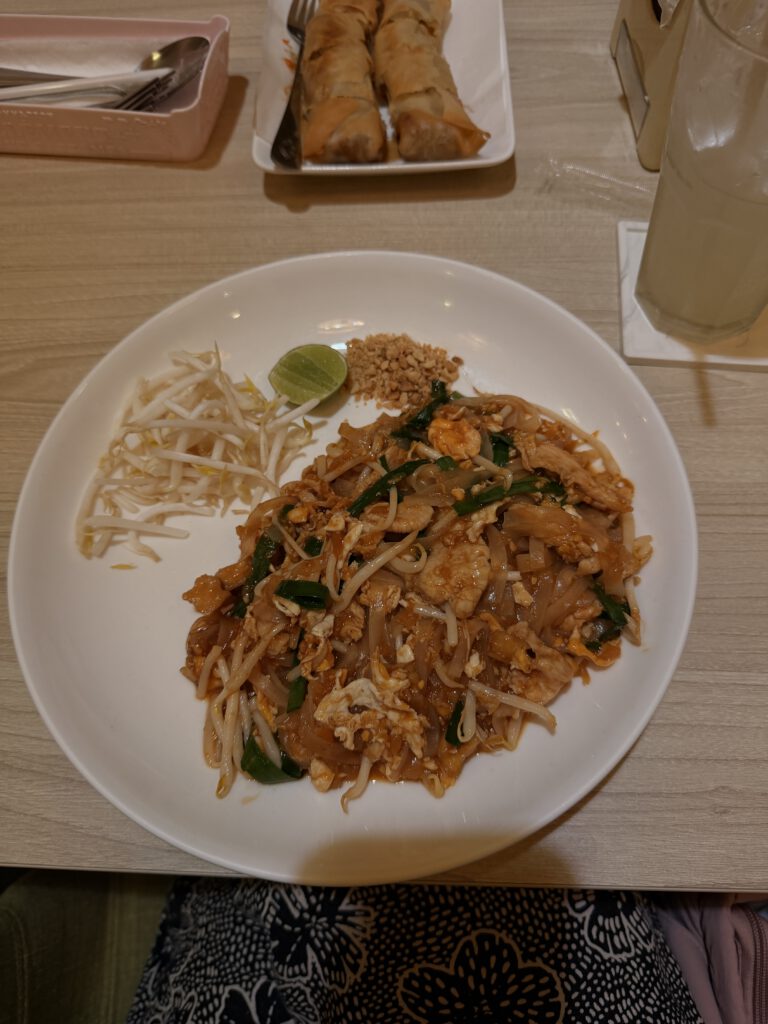
Thailand is rich in culture. From the perspective of an outsider, you may think of elephant pants, pad thai, Buddhism, and motorbikes. Living in Thailand revealed a deeper culture. As an American, I grew up with the idea of living to work and the fast pace of life. When I studied abroad in Greece, I experienced the lifestyle of working to live. However, Thailand introduced a third way of living, which is work to work, live to live. They simply do what they need to do. They have a strong grasp of a balanced life. They work hard, but they also live hard.
They come together often, understanding the importance of connection. They boost each other up. They cook huge meals and invite everyone over to make sure it is all eaten up, because heaven forbid there are leftovers. They notice a hole in your shirt and hand you a new one to change into so they can mend it right then and there. They do not give you the option of denying their help; they simply help because they know the end result is needed and can be accomplished immediately.
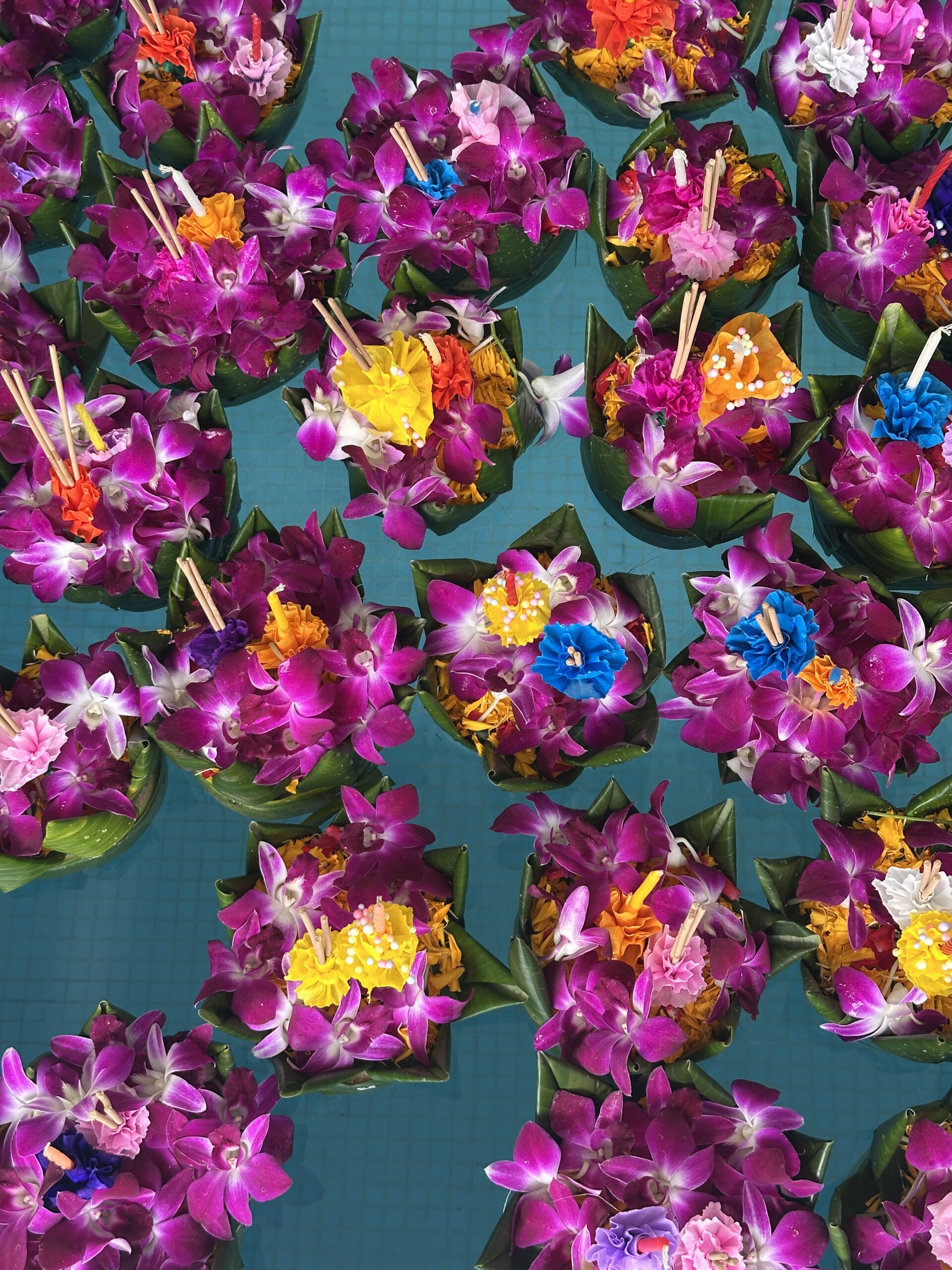
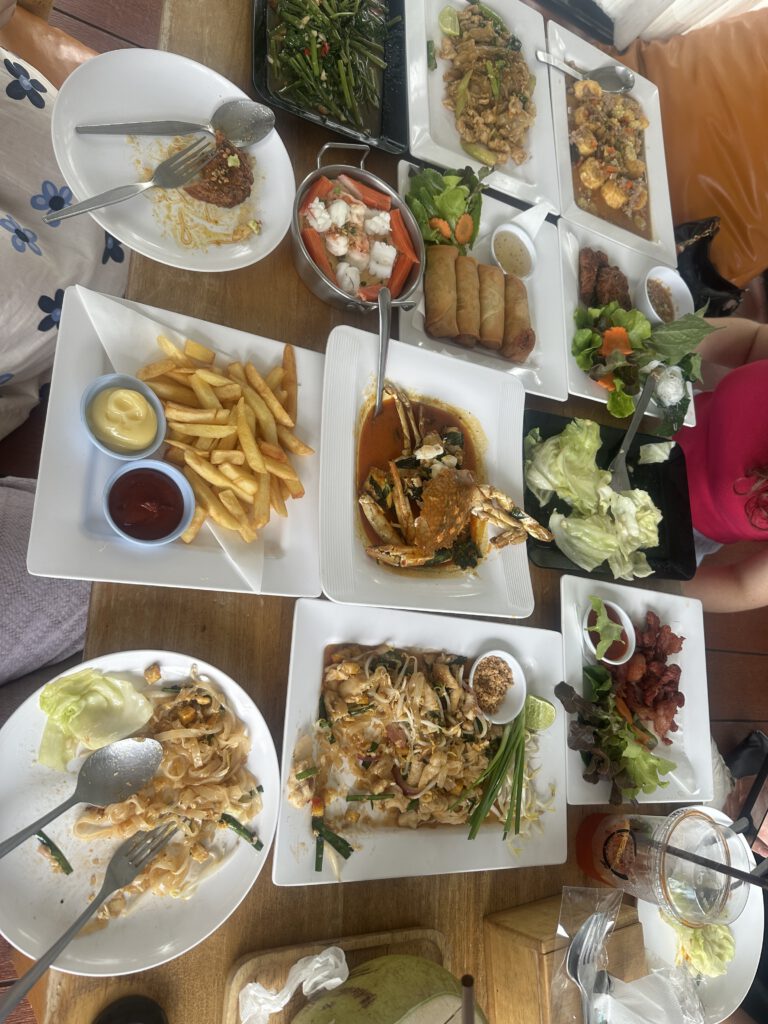
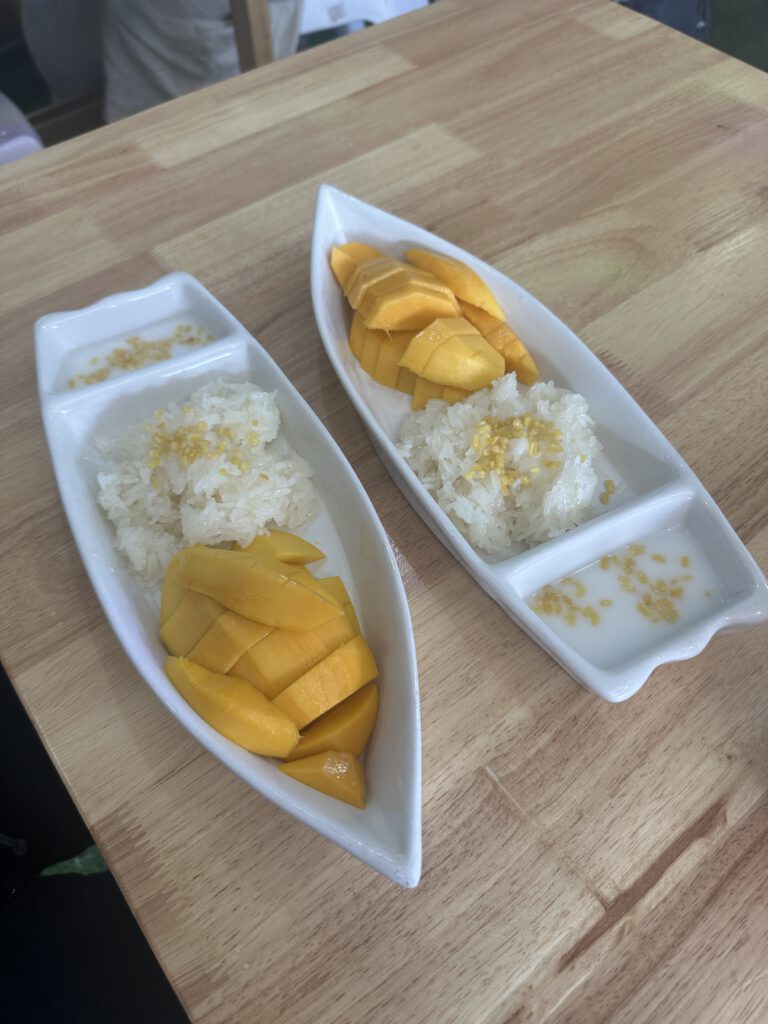
Food in Thailand reflects this philosophy. Thai cuisine revolves around five core flavors: sweet, spicy, sour, bitter, and salty. At every local restaurant table sits a small collection of condiments — sugar, chili powder or oil, fish sauce, lime, and herbs — allowing each person to adjust their meal to their liking. But food isn’t just about flavor. It’s about presence.
Meals are ordered family-style, meant to be shared. Everyone tastes everything. Eating isn’t something you squeeze into the day; it is the day. Food becomes the reason to enjoy the moment rather than simply eating to satisfy hunger.
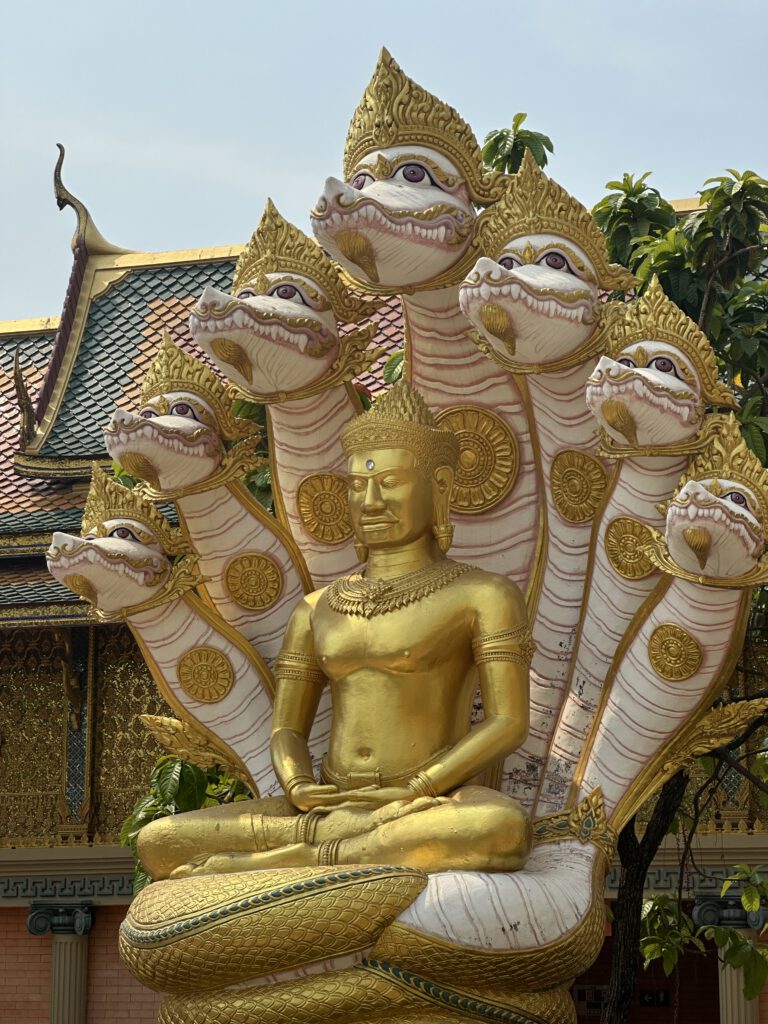
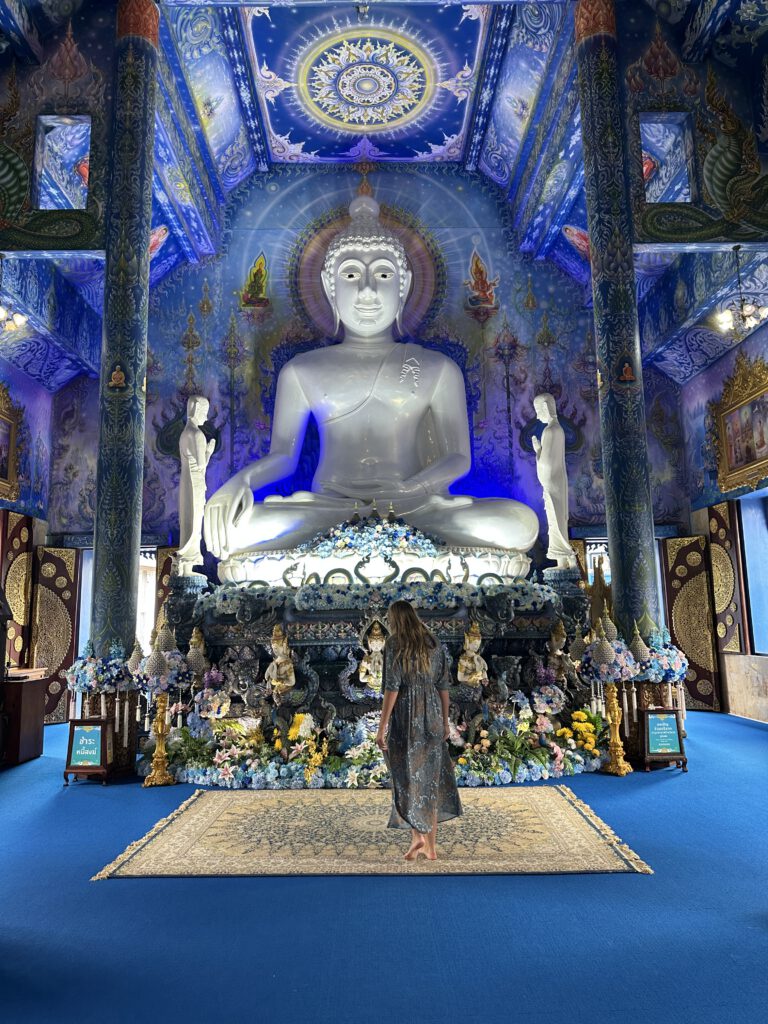
Buddhism, the dominant religion in Thailand, weaves this same sense of mindfulness into daily life. On my commute to work, I often saw monks walking barefoot along the road, collecting offerings. People would stop mid-commute — regardless of how rushed they were — to pray with them. Temples and markets were simply part of the route, not destinations set apart from everyday life.
Observing the families I grew close to, I noticed that Buddhism wasn’t practiced through rigid ritual, but through values: gratitude, humility, and deep respect for family. Most people live with or near their relatives, leaning on one another to grow and succeed. Elders are revered, and respect is woven into every interaction.
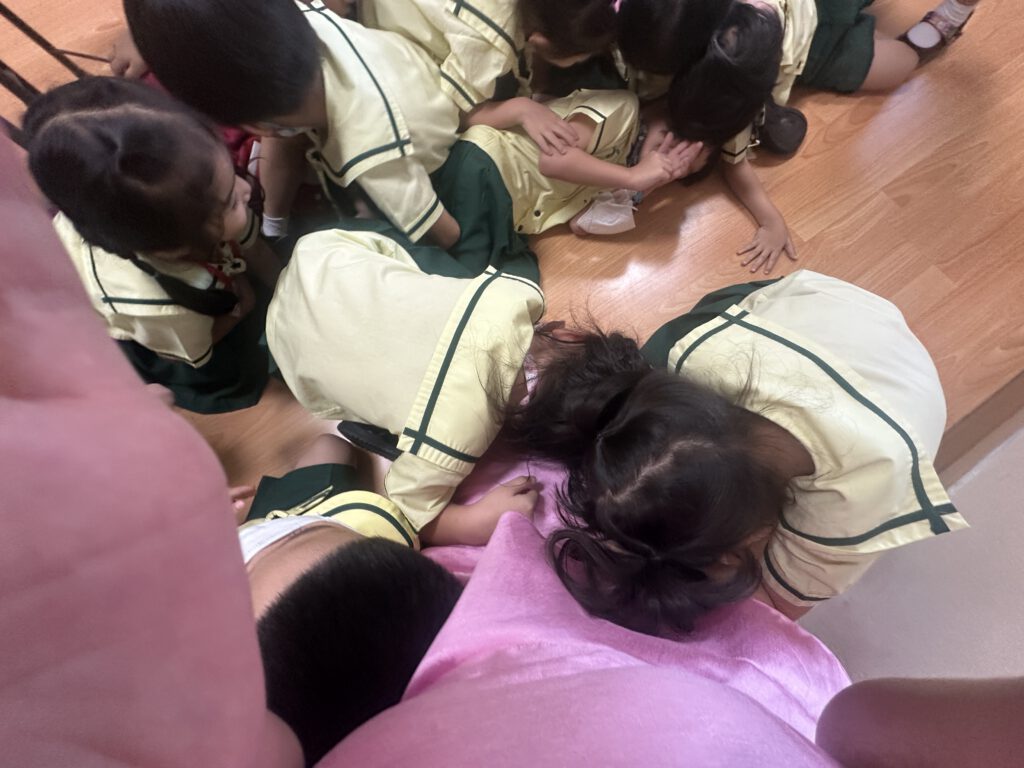
This respect is embodied in the Wai — the Thai greeting made by pressing your hands together and bowing slightly. The height of your hands reflects who you are greeting: chin-level for friends, nose-level for elders or authority figures, and forehead-level for Buddha. This practice may seem intense to others, as it requires vulnerability; you are bowing to one another. I appreciated this practice and became a happy participant in the act. It leveled the floor immediately, stripping away ego while still honoring respect.
Spending a year in the Land of Smiles only scratched the surface of Thailand’s culture, but it brought a new perspective on how people move through the world. The people are the heart of the country, teaching me that productivity does not equal purpose and that independence does not require isolation. Sometimes the smallest acts — a shared meal, a fixed shirt, a moment of help without asking — make the biggest difference.
Thailand taught me that life doesn’t need to be rushed to be meaningful. It simply needs to be lived together.